Native Vegetation
News
%20flowers-%20(photo%20credit-%20Rebekah%20Grieger).jpg)
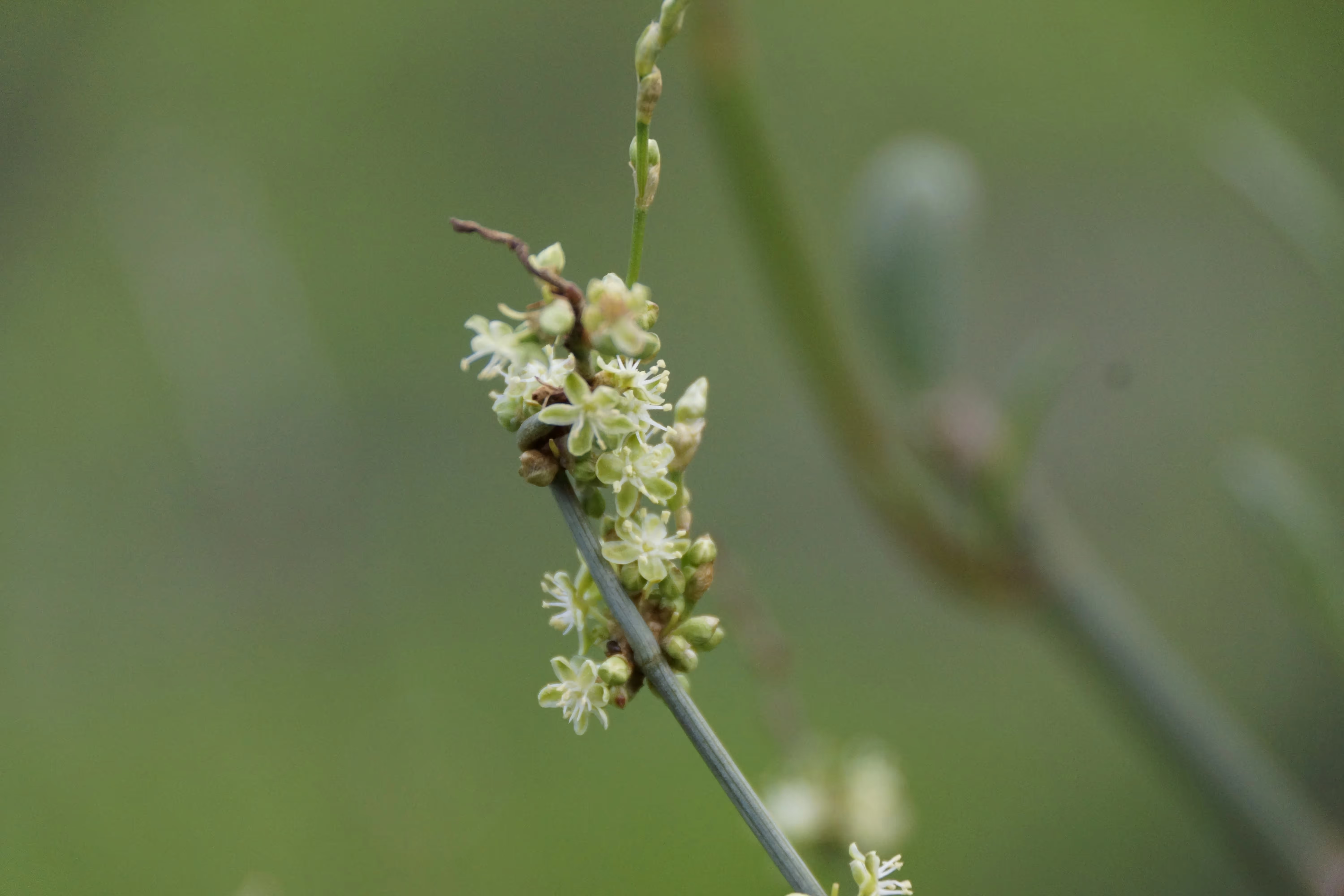
Finding lignum shrublands: a vital habitat for nesting birds
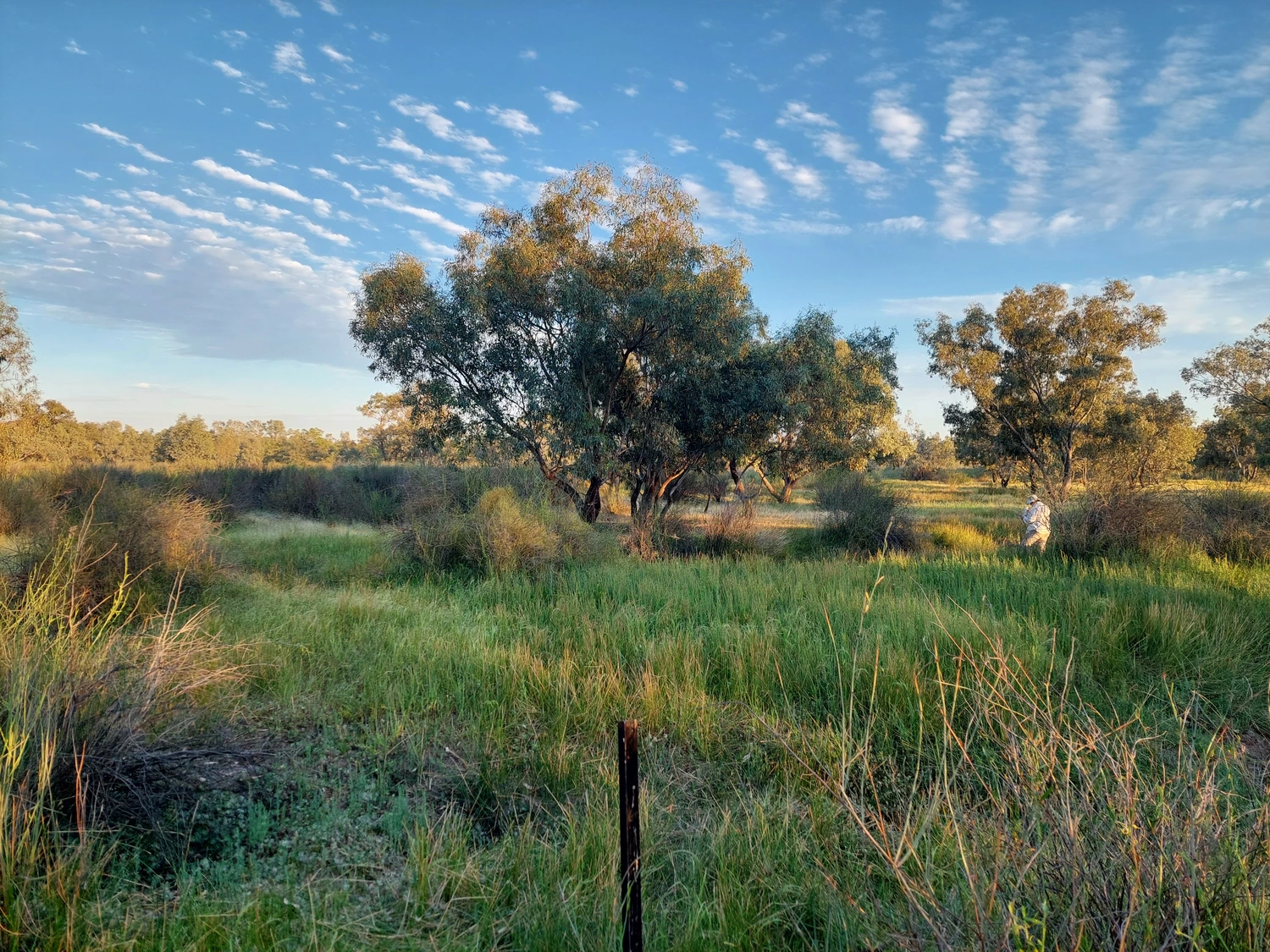
In the Namoi River system, much of the floodplain vegetation, including lignum shrublands, has been replaced by irrigated and dryland crops. While many areas have changed, resilient patches of lignum still thrive along roadways and on private farms, offering valuable habitats.
%20.jpg)
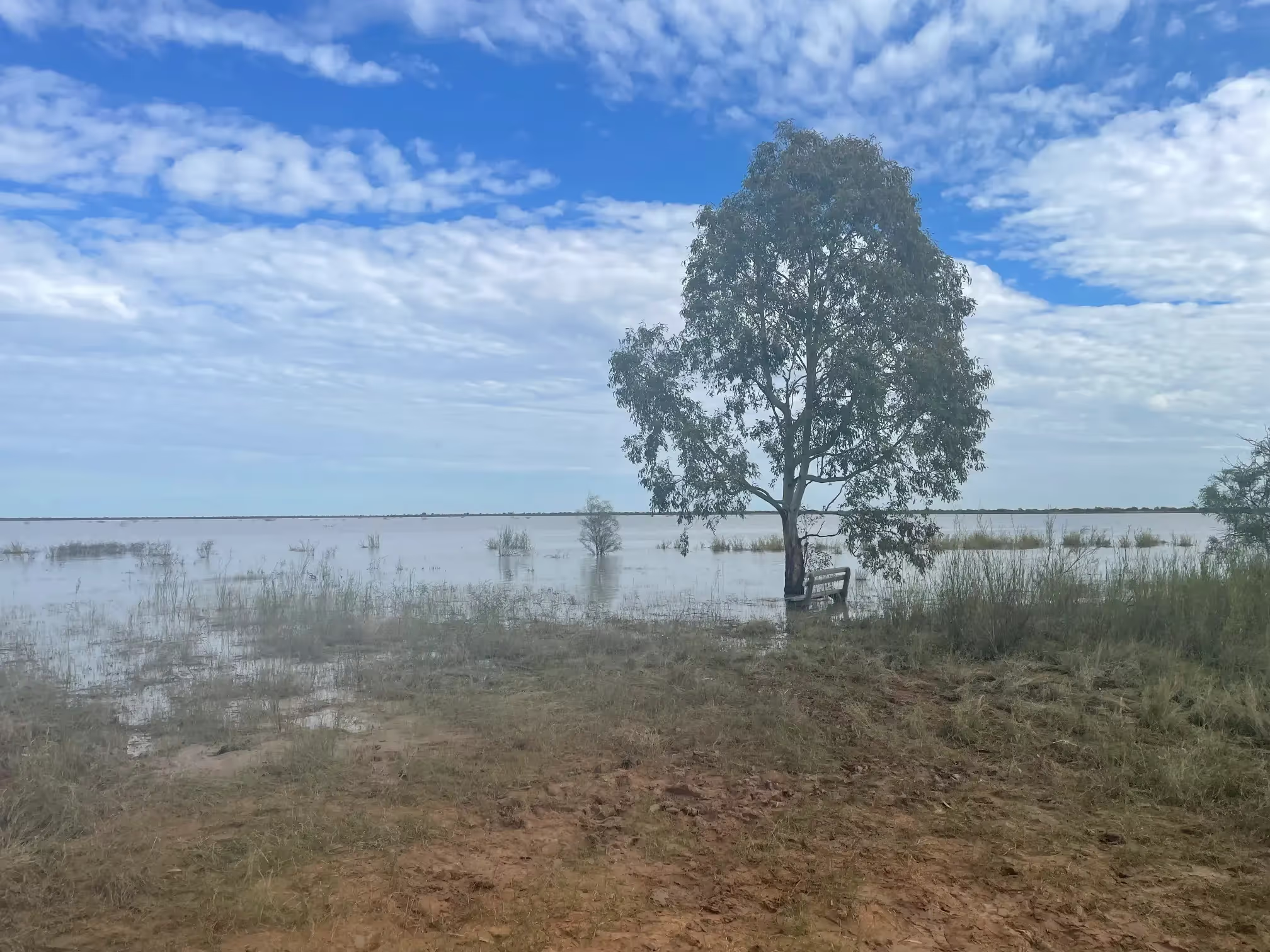
Rugged giants and tiny seedlings: resilience and establishment of river red gums on the Barwon River
River red gums are iconic trees of the Murray–Darling Basin, well known as the giants towering over waterways for hundreds of years. Researchers are concerned about the ongoing survival of these trees due to a lack of recorded seedlings, especially in the northern Basin.

Lignum data processing: Sharing the load
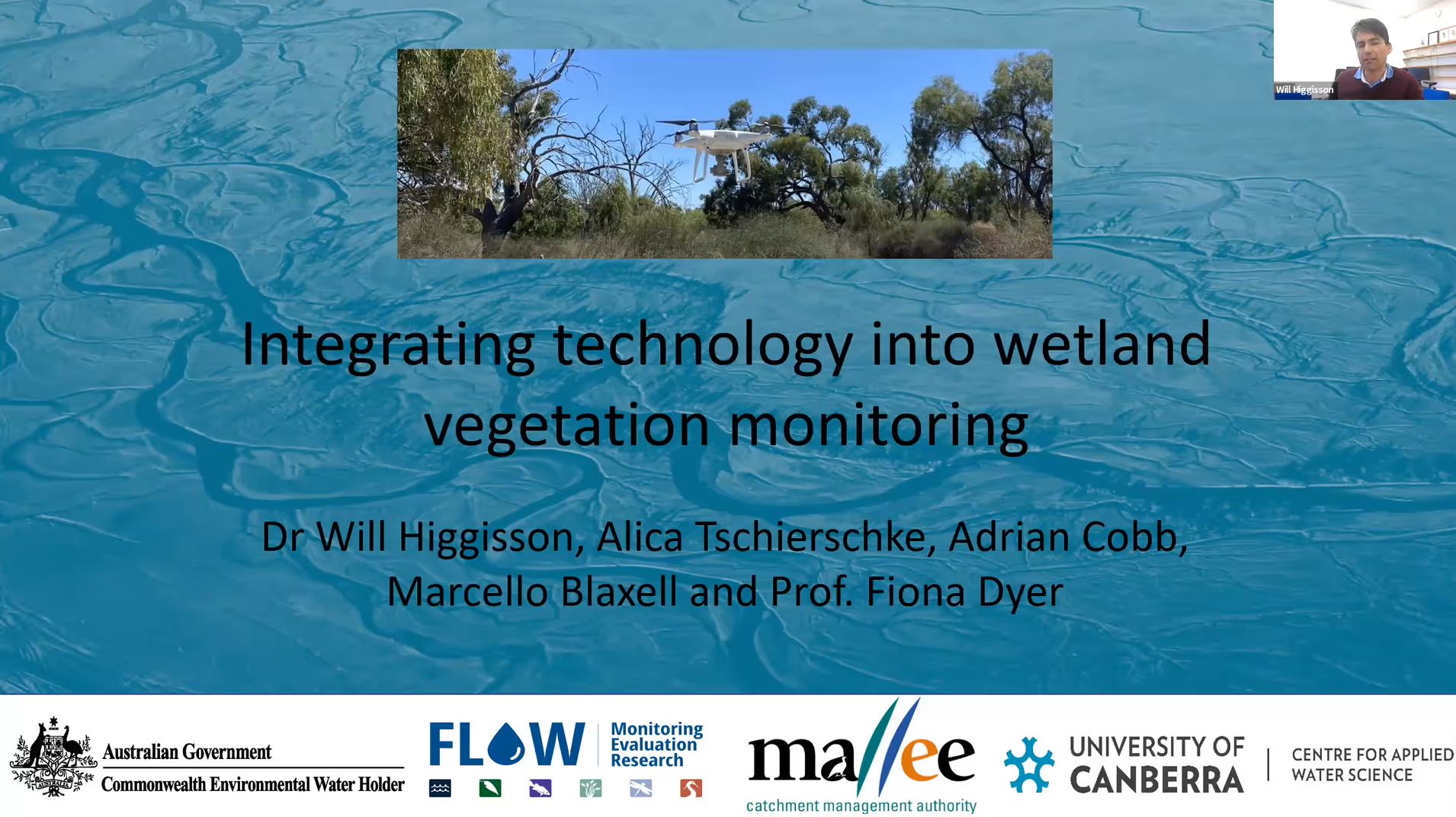
Researchers and Flow MER teams are using drones and deep learning to monitor how lignum responds to water for the environment. With 91% accuracy across four river systems, this collaboration is helping build a clearer picture of how floodplain vegetation recovers and thrives.
-p-500.jpg)
Drone Monitoring of Lignum at Gayini: What We’re Learning
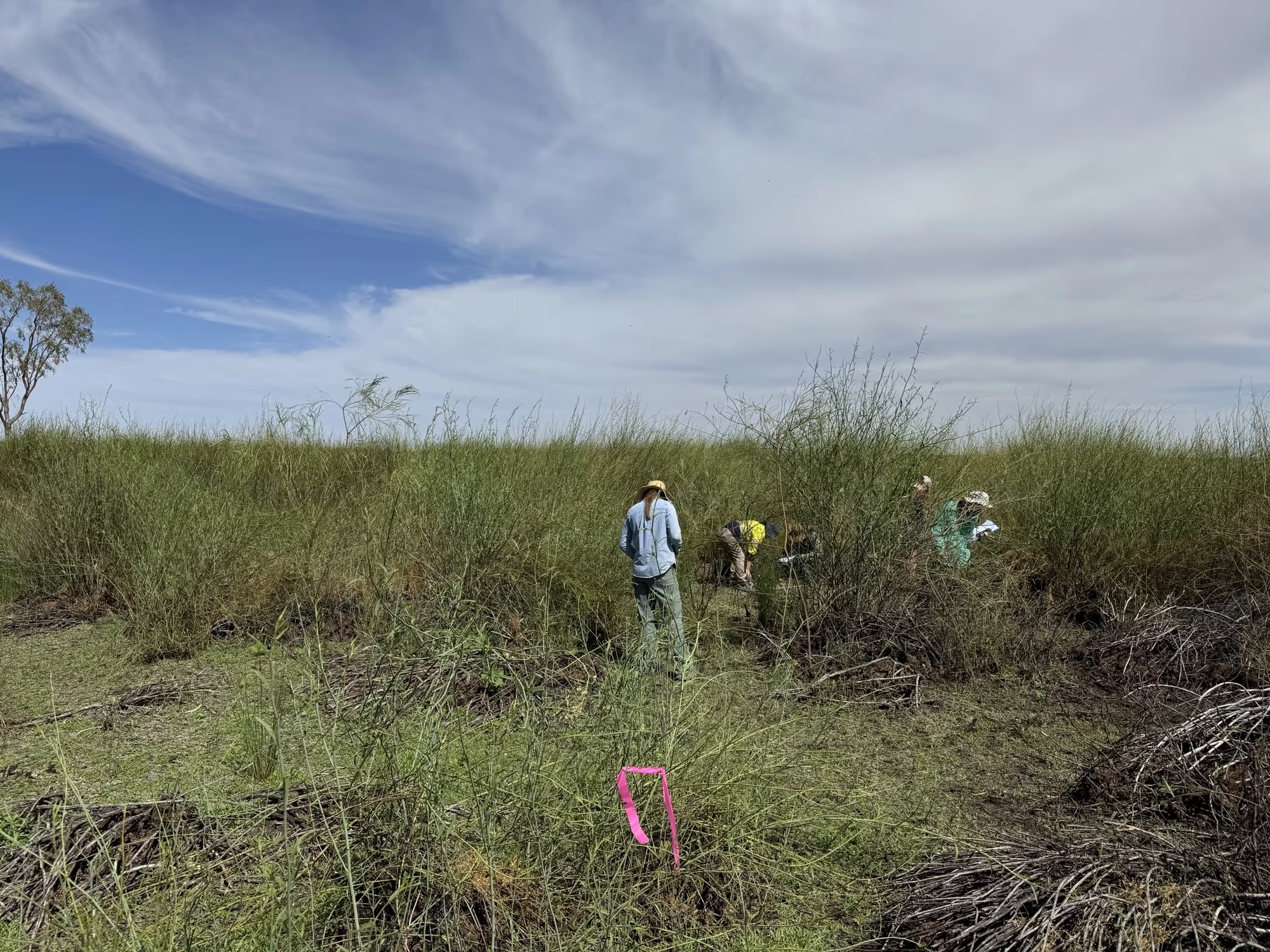
In partnership with Nari Nari rangers, scientists are using drone technology to track how flooding patterns impact lignum on the Lowbidgee floodplain. This project blends traditional knowledge and cutting-edge imagery to support smarter water and habitat management.

Why are we drawn to rivers, wetlands and floodplains? What role do plants play in making these places special? Tell us what you value (particularly about plants!)
Discover the unique ways people connect with rivers, wetlands, and floodplains, and how these values shape conservation efforts for non-woody vegetation.


.webp)