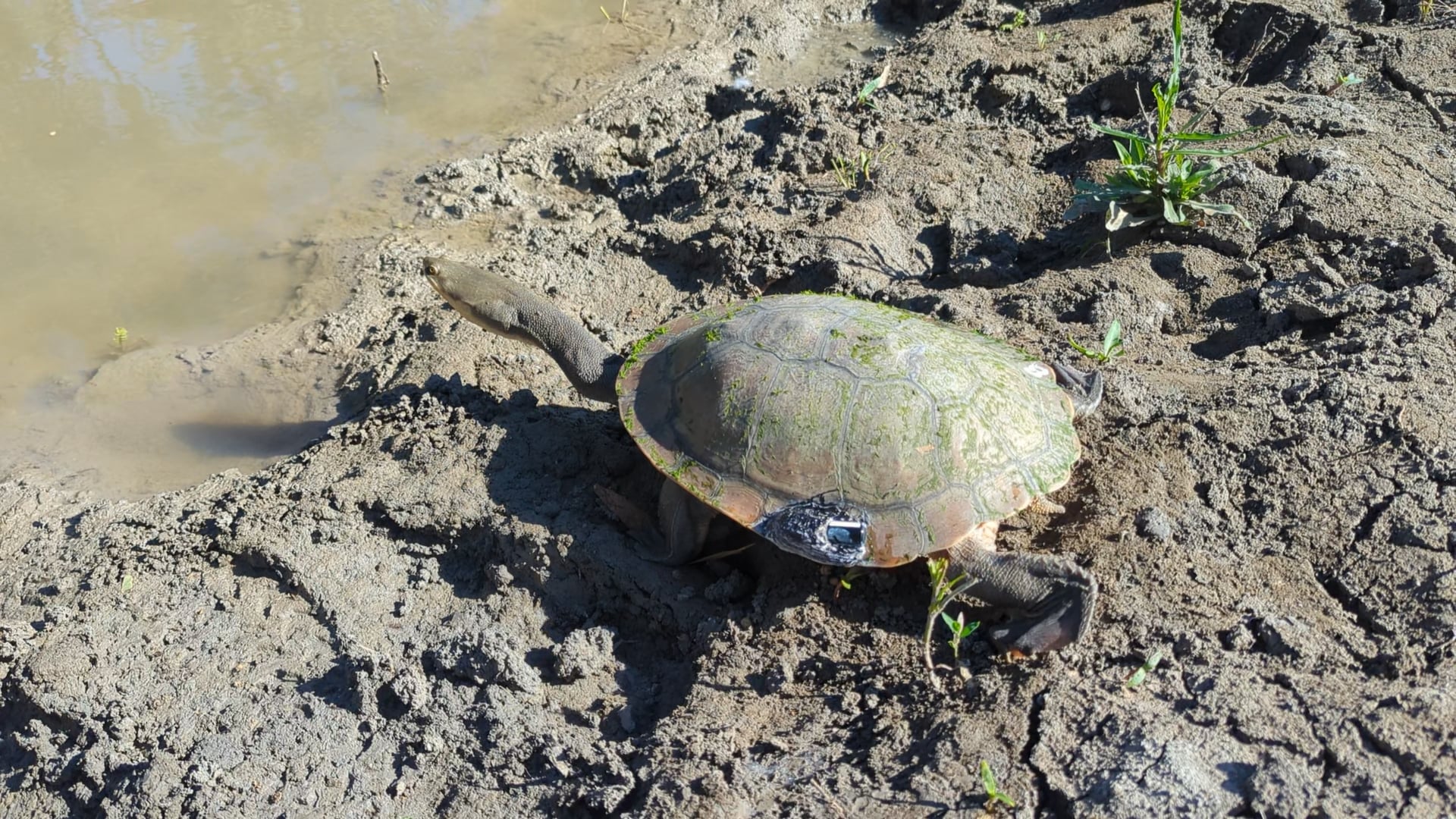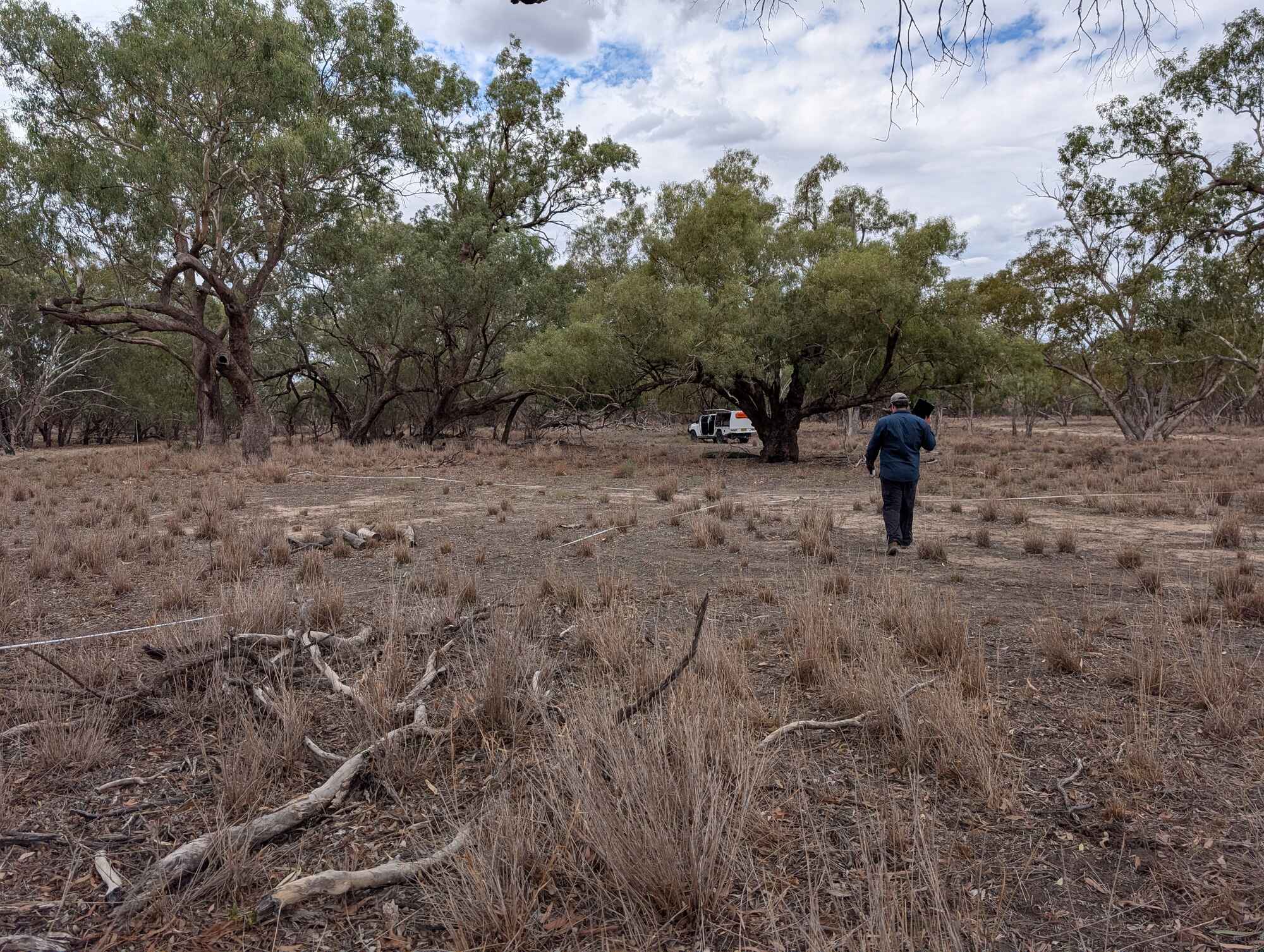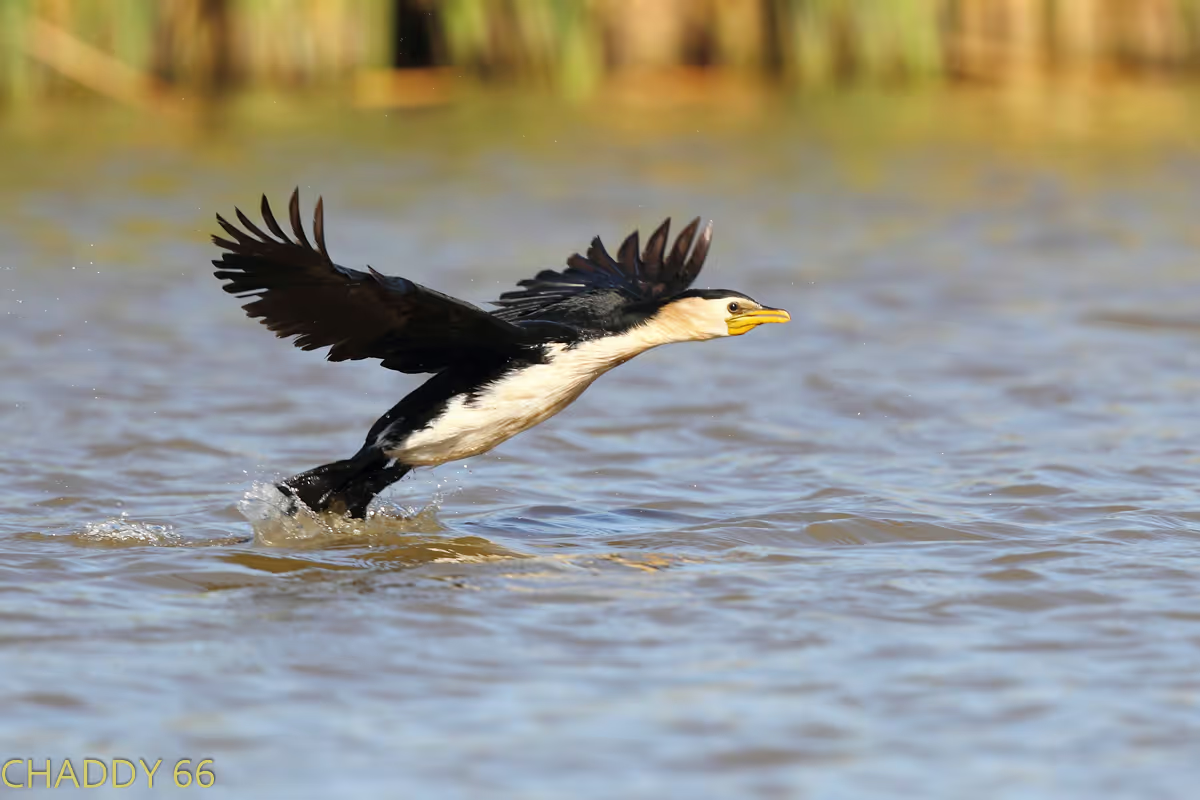
Wilbertroy Lagoon and Evergreen Wetland are two important wetlands in the Lachlan system. Situated along a natural flood pathway that connects to the Lake Cowl system and the Bogandillon Creek swamp, these wetlands act as refuge areas for native vegetation and wildlife, especially during dry periods.
Wilbertroy Lagoon can retain water for up to two years, while Evergreen Wetland has a four-month capacity.
To protect and enhance these habitats, the Commonwealth Environmental Water Holder (CEWH) partnered with Jemalong Irrigation Limited (JIL) and local landholders to deliver environmental water to the sites. These water deliveries have generated significant ecological and social benefits which can be seen in the video below.
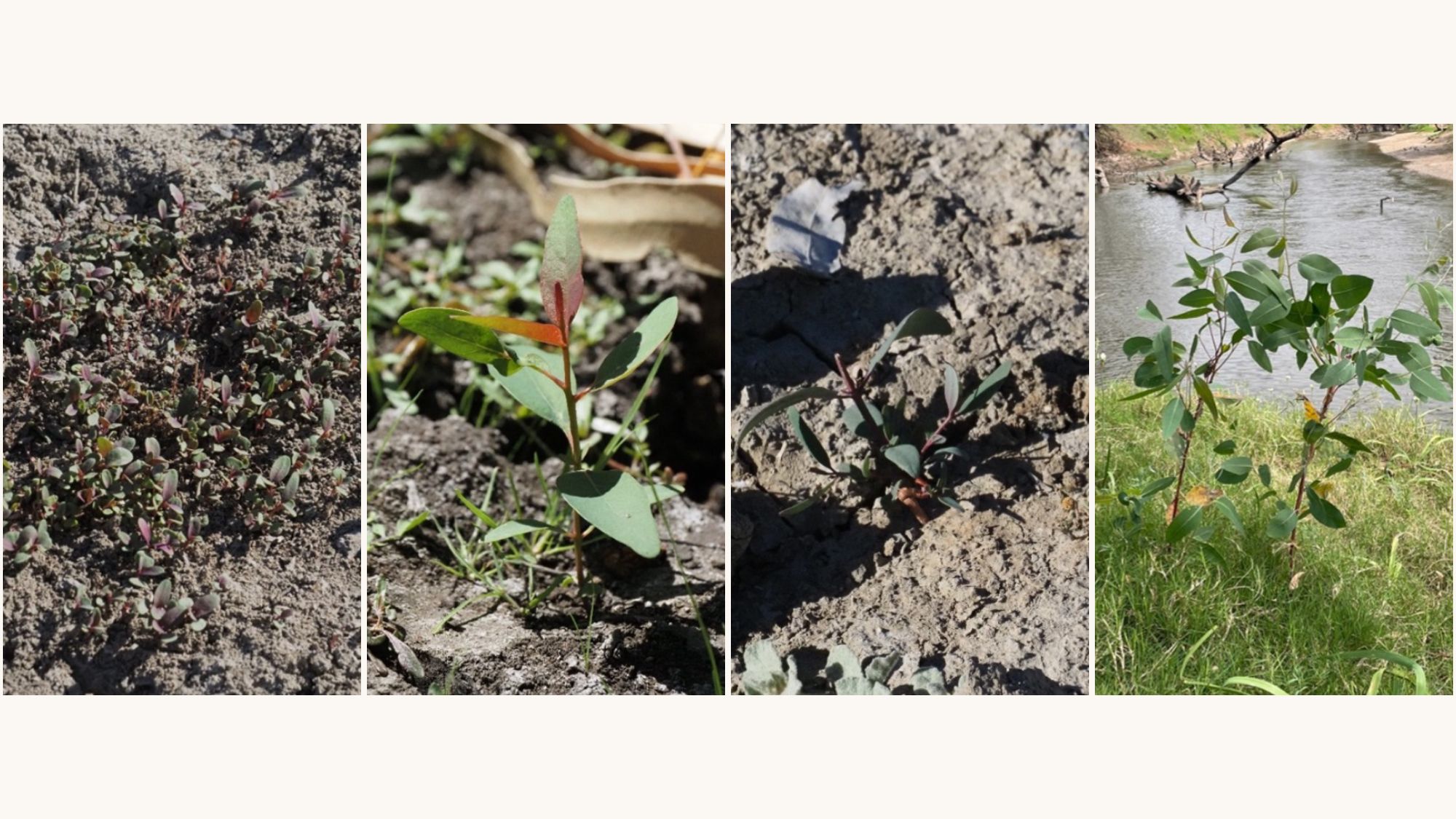
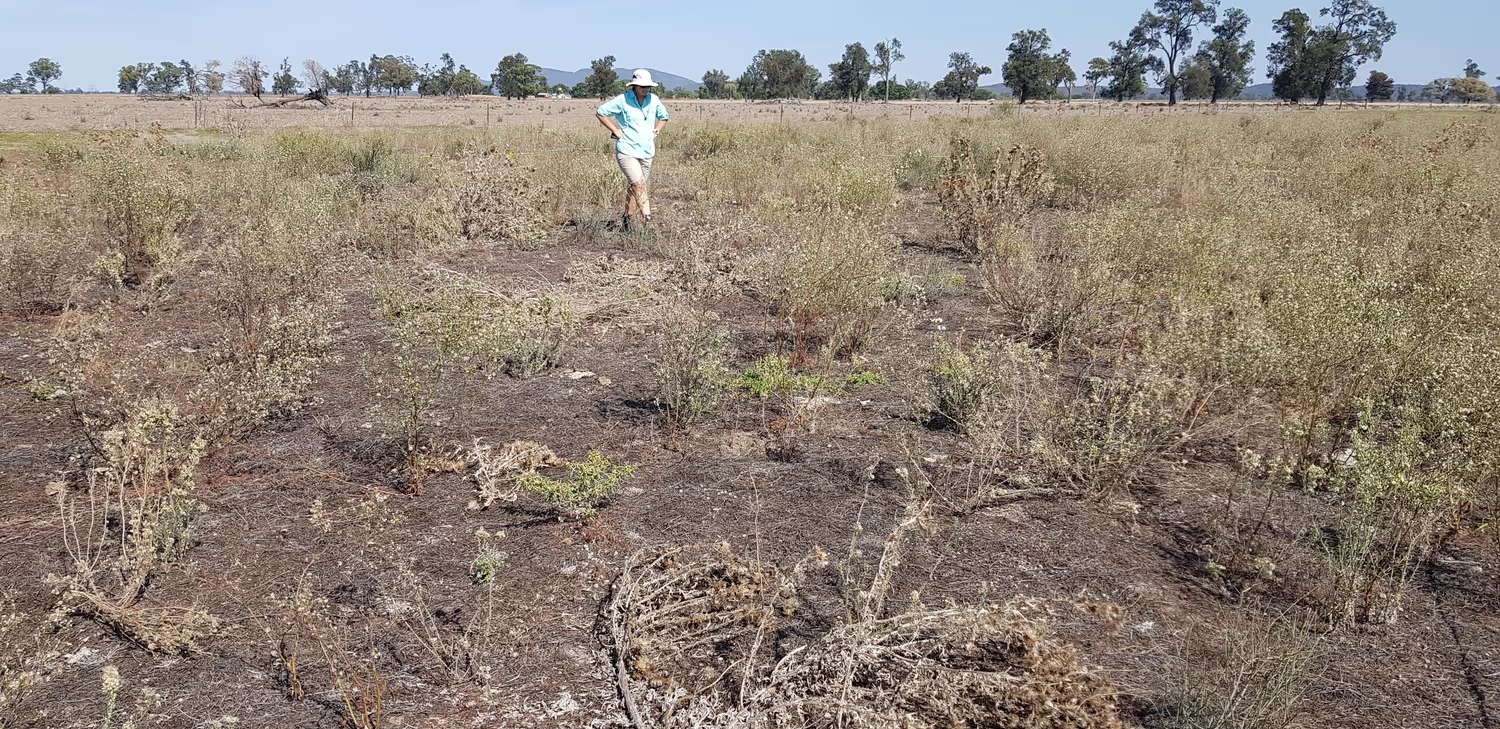
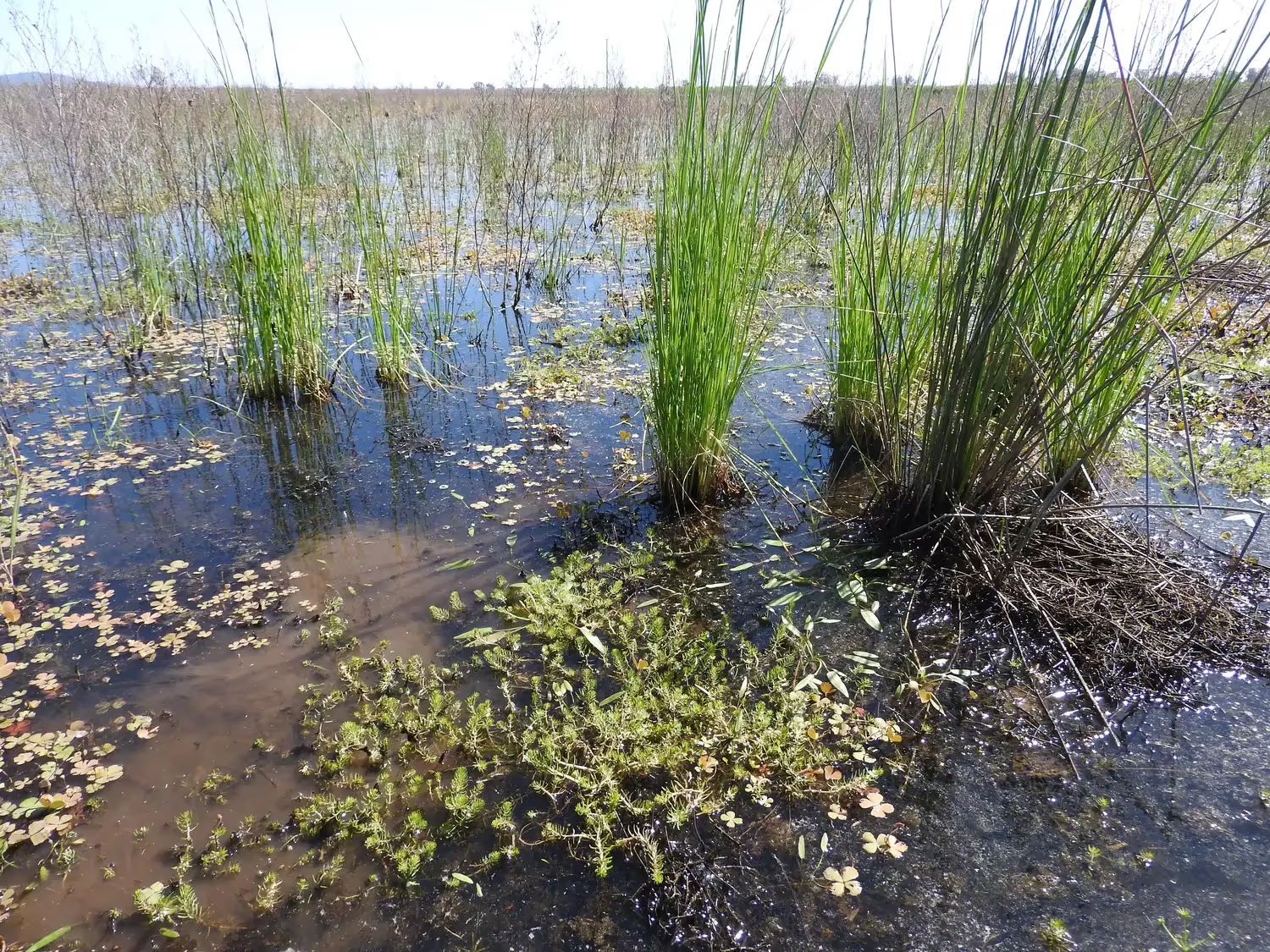
The Lachlan Area-scale Project, led by researchers from the University of Canberra, includes monitoring of these wetlands. Scientists have documented the transformation of these wetlands’ from dry, invasive plant-dominated landscapes to thriving areas rich in native aquatic and semi-aquatic plant species. This demonstrates how important environmental water is for keeping wetlands healthy and supporting biodiversity.
Beyond ecological outcomes, these projects have fostered community engagement and education. A recent example of this was when Bedgerabong School students visited the wetlands. They learnt firsthand about environmental restoration and how different groups can work together to manage water.
This work highlights the on-ground impact of collaborative water management. It provides a model for integrating environmental water delivery, monitoring, and community involvement.
Partners and contributors included CEWH, NSW DCCEEW, Jemalong Irrigation, University of Canberra, the Australian River Restoration Centre (ARRC), and local landholders Tim & Jenny Fay at Wilbertroy and Mick & Anita Cantwell at Evergreen.