%20(2)%20(1).webp)
The Murrumbidgee Area-scale Project had a strong start to the 2025–26 frog monitoring season. In November, the team surveyed eight wetlands across the Lowbidgee region.
Environmental water from both the Commonwealth and NSW is being delivered to the North Redbank floodplain in the Lower Murrumbidgee to support frogs, waterbirds, and wetland plants.
One of the most exciting results came from Murrundi Swamp at North Redbank. This site had very high numbers of tadpoles and a wide range of frog species.
At Murrundi Swamp, the team recorded 1,244 tadpoles, the highest number seen at a single site in recent years. This included 216 southern bell frog (Litoria raniformis) tadpoles, a nationally listed threatened species.
Other frog species found at the site included the giant banjo frog, plains froglet, barking marsh frog, and spotted marsh frog. This shows that many different frog species are using the wetland early in the season.
%20(1).webp)
%20(2).webp)
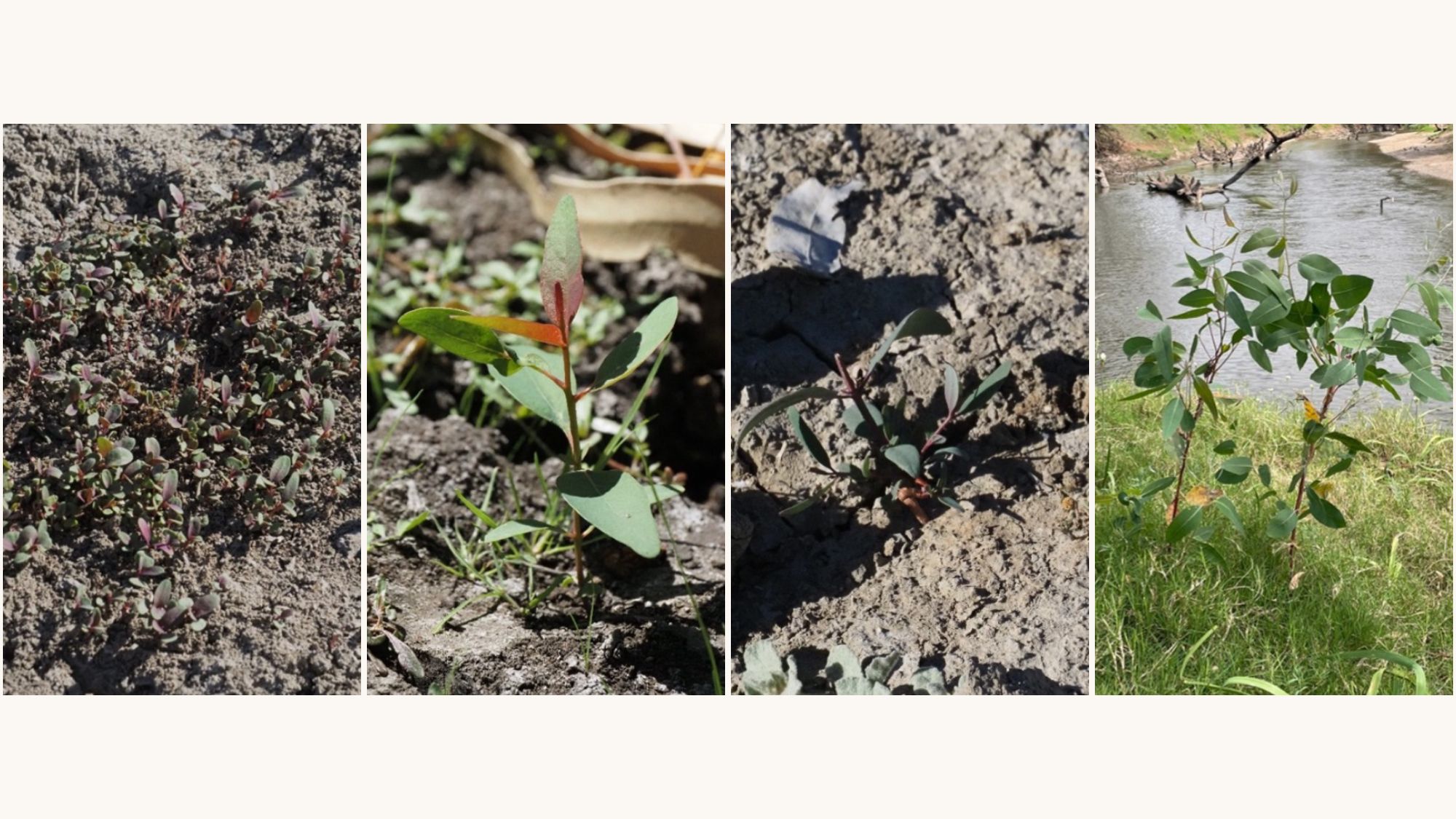
Environmental water reached these wetlands in late spring after they had been dry. The return of water helped plants grow and triggered frogs to begin breeding. Murrundi Swamp supports a mix of water plants such as rushes and floating plants. These plants provide food and shelter for tadpoles and help protect them from predators. Shallow, sheltered water is especially important for tadpoles as they grow and develop.
%20(2).webp)
Murrumbidgee Area-scale Project Lead Professor Skye Wassens said the success of this watering is due to the hard work of NSW and Commonwealth water managers and local landholders. By working together over many years, they help ensure water reaches important wetlands like those at North Redbank.
The November surveys were the first frog surveys of the season. The team used overnight fyke nets to collect tadpoles and evening spotlight surveys to find adult frogs. Using both methods helps scientists understand how many frogs are breeding and how well young frogs are surviving. Tadpoles collected during the surveys were then checked more closely to further learn about their development.
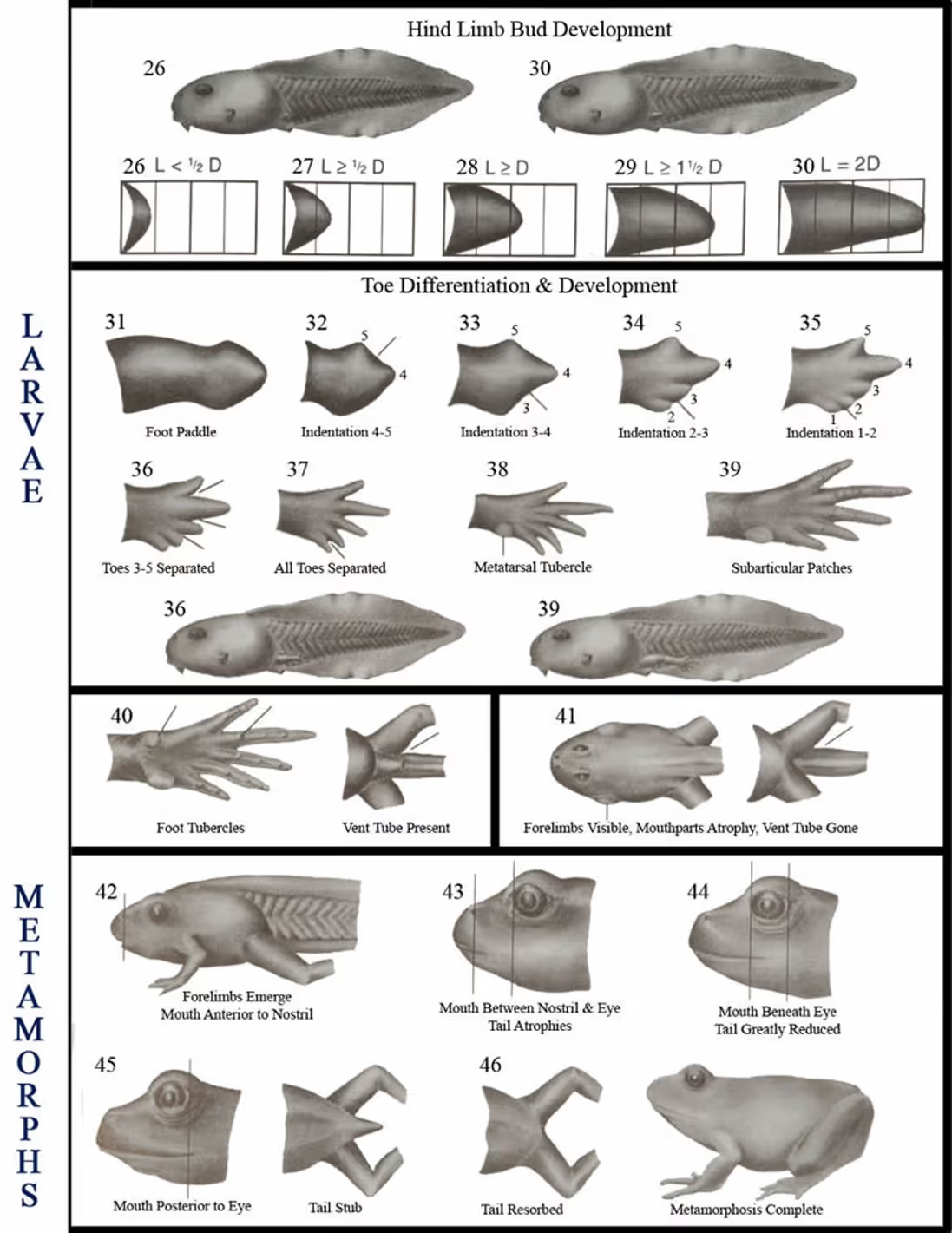
Each tadpole was given a development stage using the Gosner staging system. This system is widely used by scientists to describe how frogs grow, from early tadpole stages to young frogs. It looks at features such as leg growth, tail length, and body shape. This helps the team compare frog development at different sites and times.
More frog surveys are planned for February 2026. These will show whether the strong breeding seen early in the season continues through summer. Overall, the results so far are very positive and show that environmental water is helping create healthy wetlands and giving frogs, including the threatened southern bell frog, a strong start to the breeding season.
References:
Gosner, K. L. (1960). A Simplified Table for Staging Anuran Embryos and Larvae with Notes on Identification. Herpetologica, 16(3), 183–190. http://www.jstor.org/stable/3890061