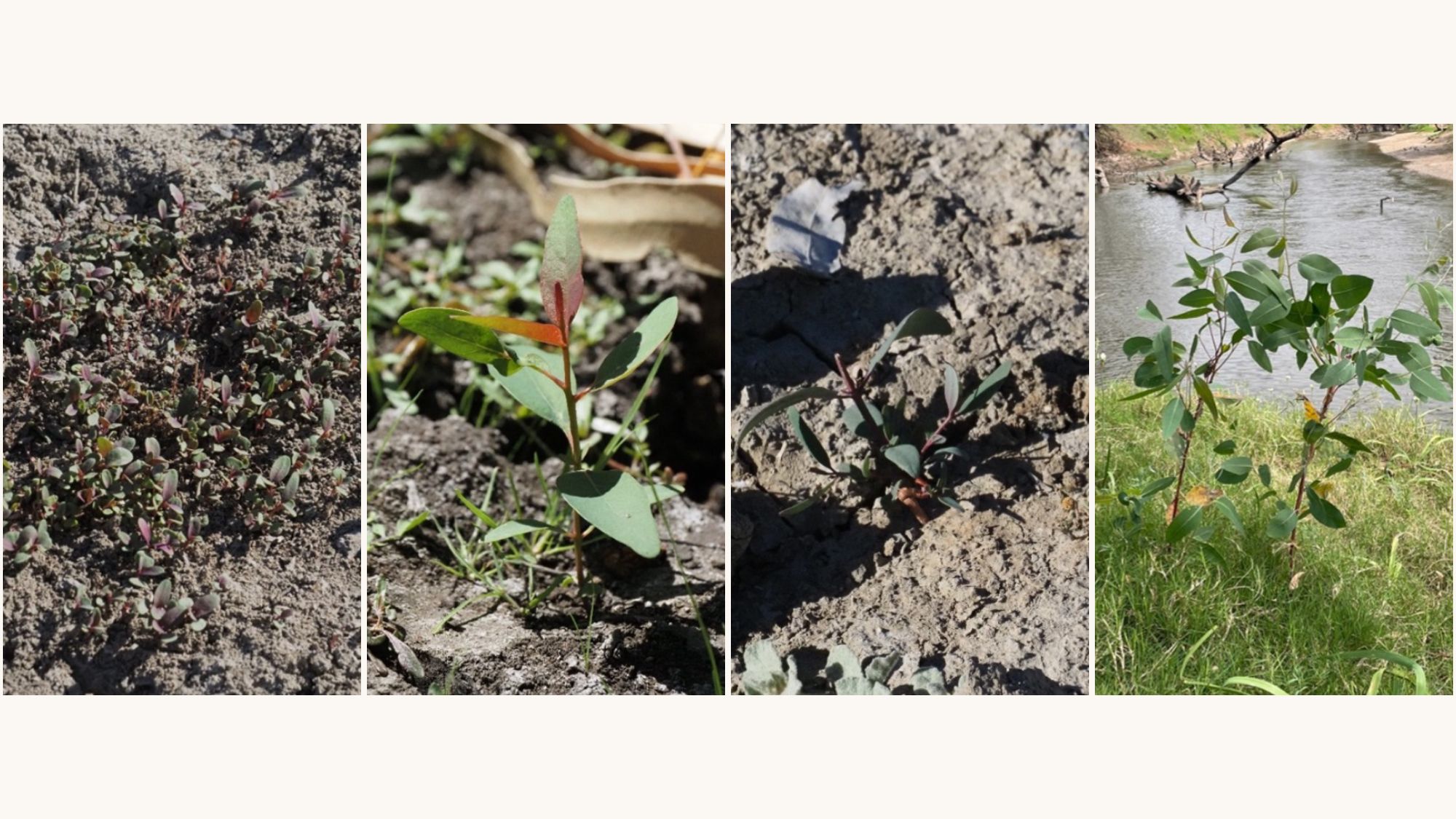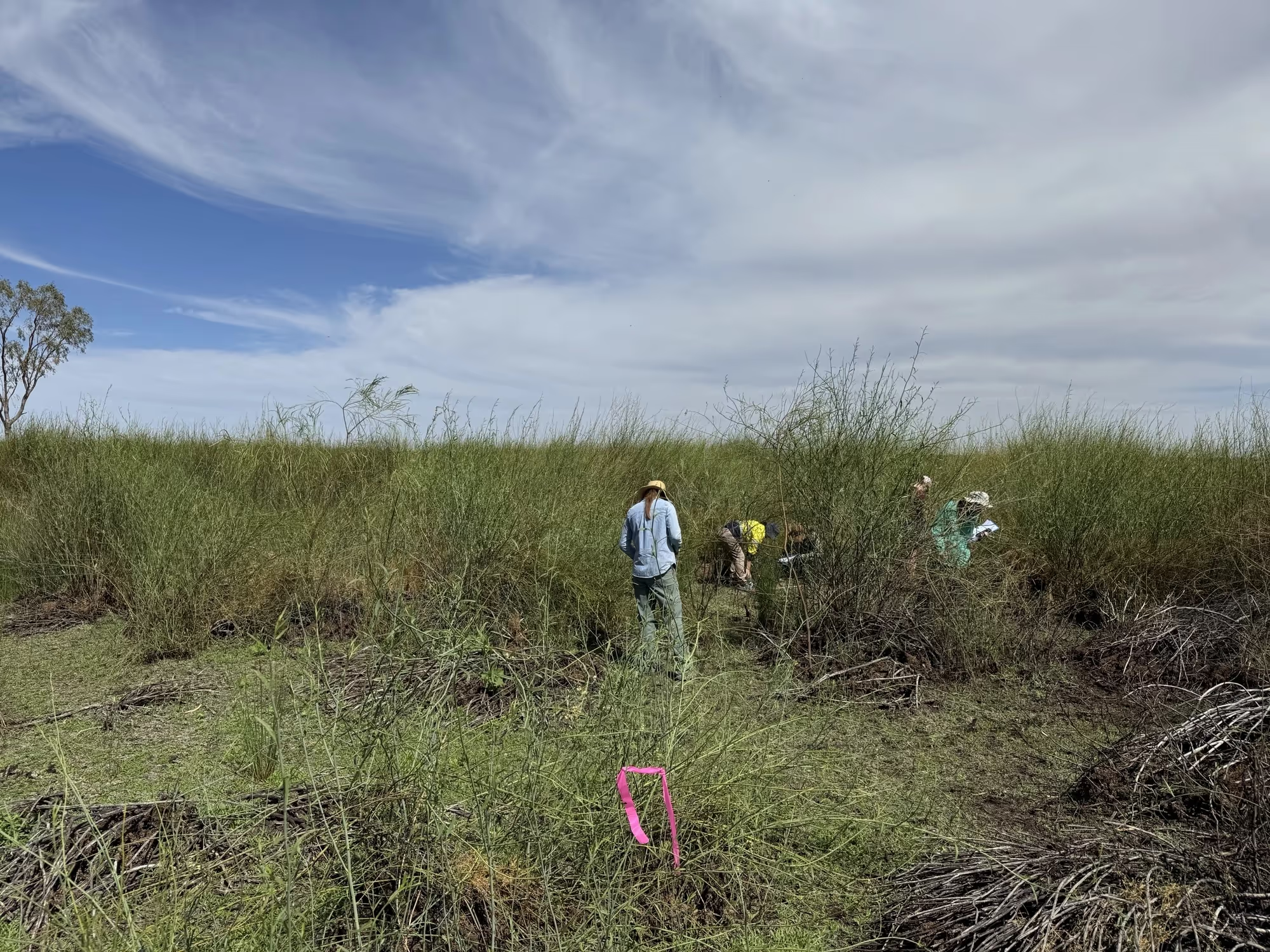
Over 180 wetland plant species were recorded in the first Lower Balonne Flow-MER vegetation survey in November 2025.
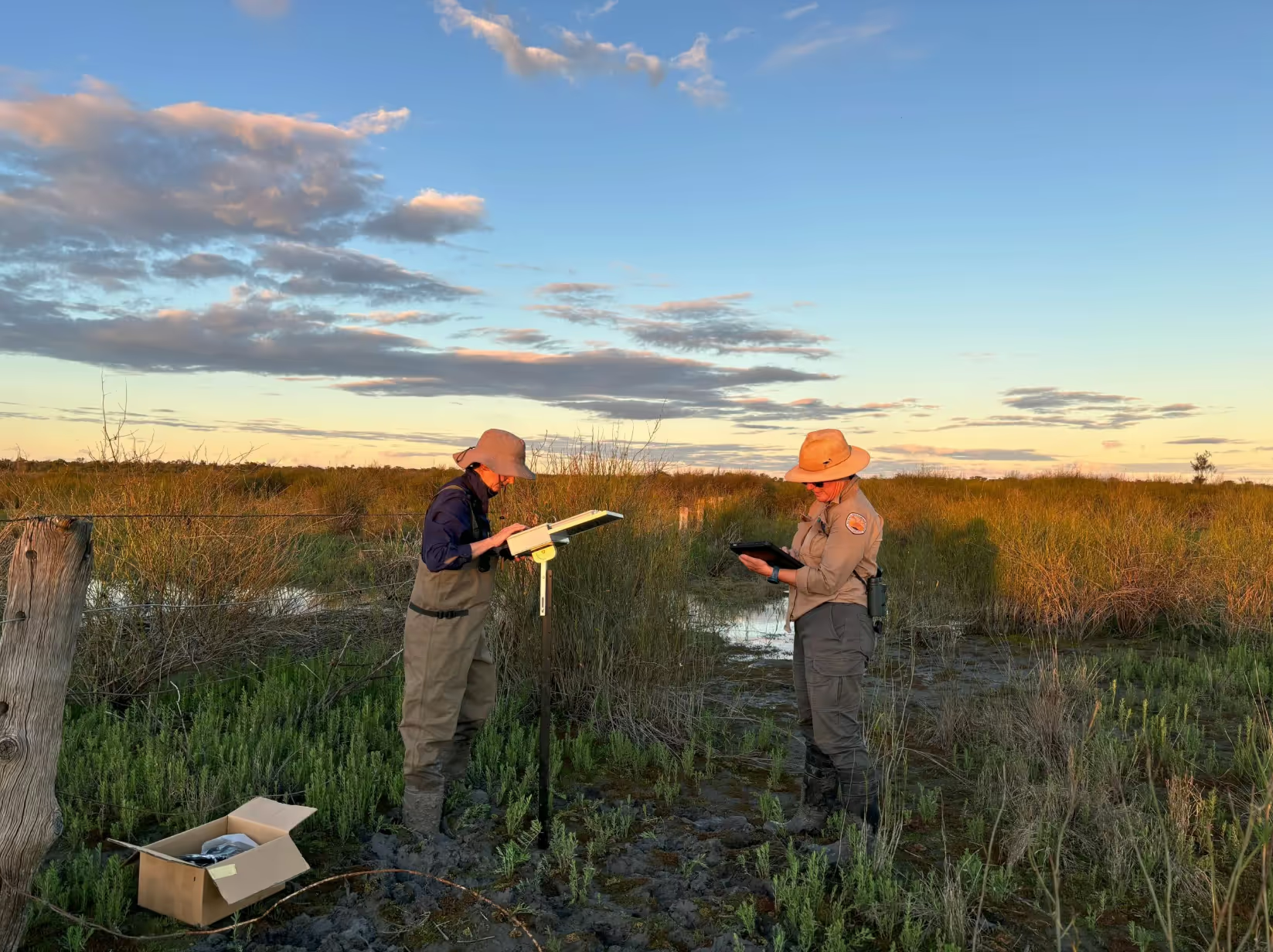
The survey assessed 12 riparian vegetation sites (vegetation along the banks of waterways) along the Balonne, Culgoa, Bokhara, and Narran rivers. A riparian assessment method used in two other Flow-MER Areas was applied.
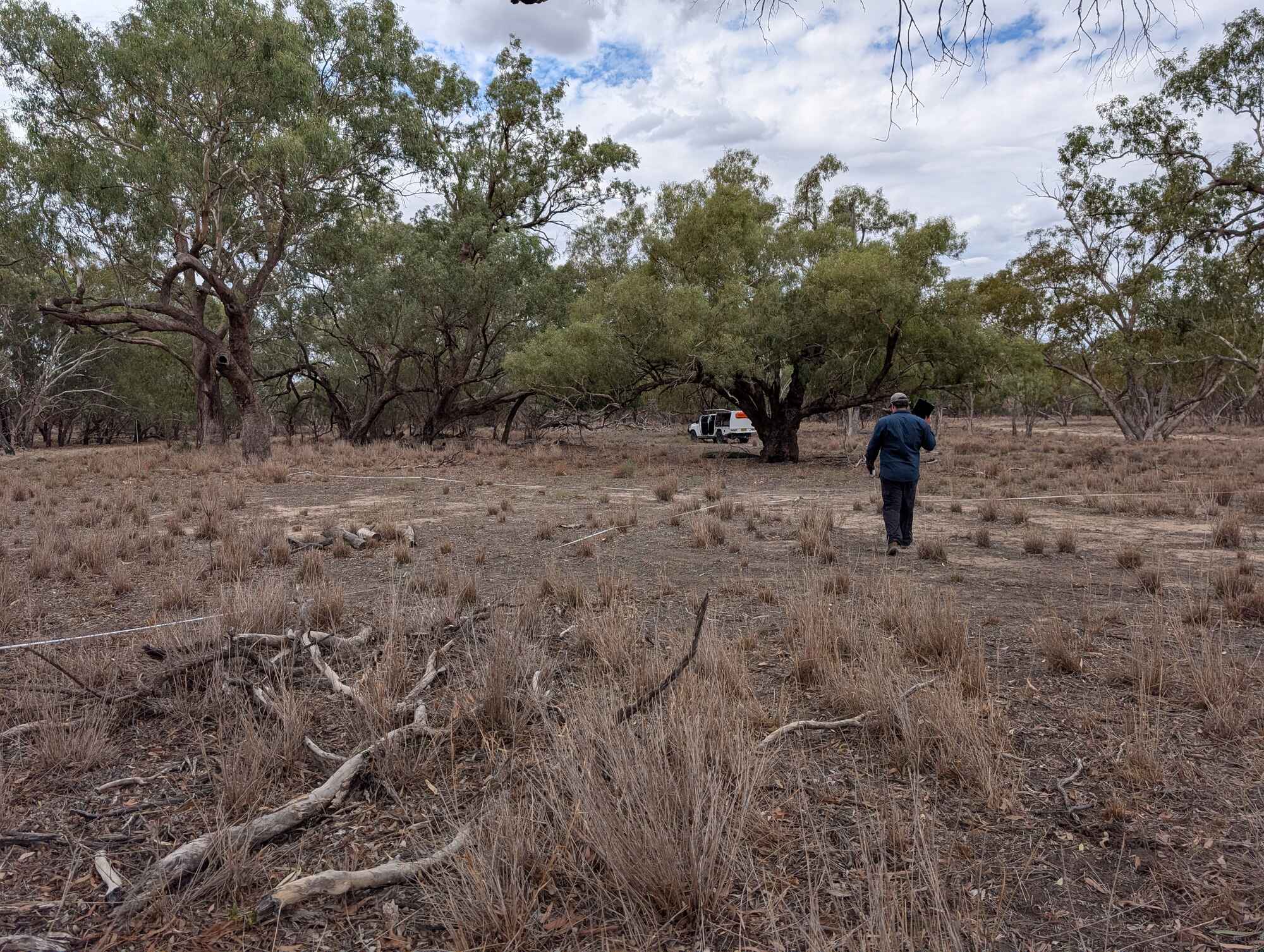
The team also surveyed 35 sites across the Narran Lakes Nature Reserve, part of Dharriwaa. They assessed the condition and composition of habitats within lignum shrublands, floodplain woodlands, and lakebed herblands.
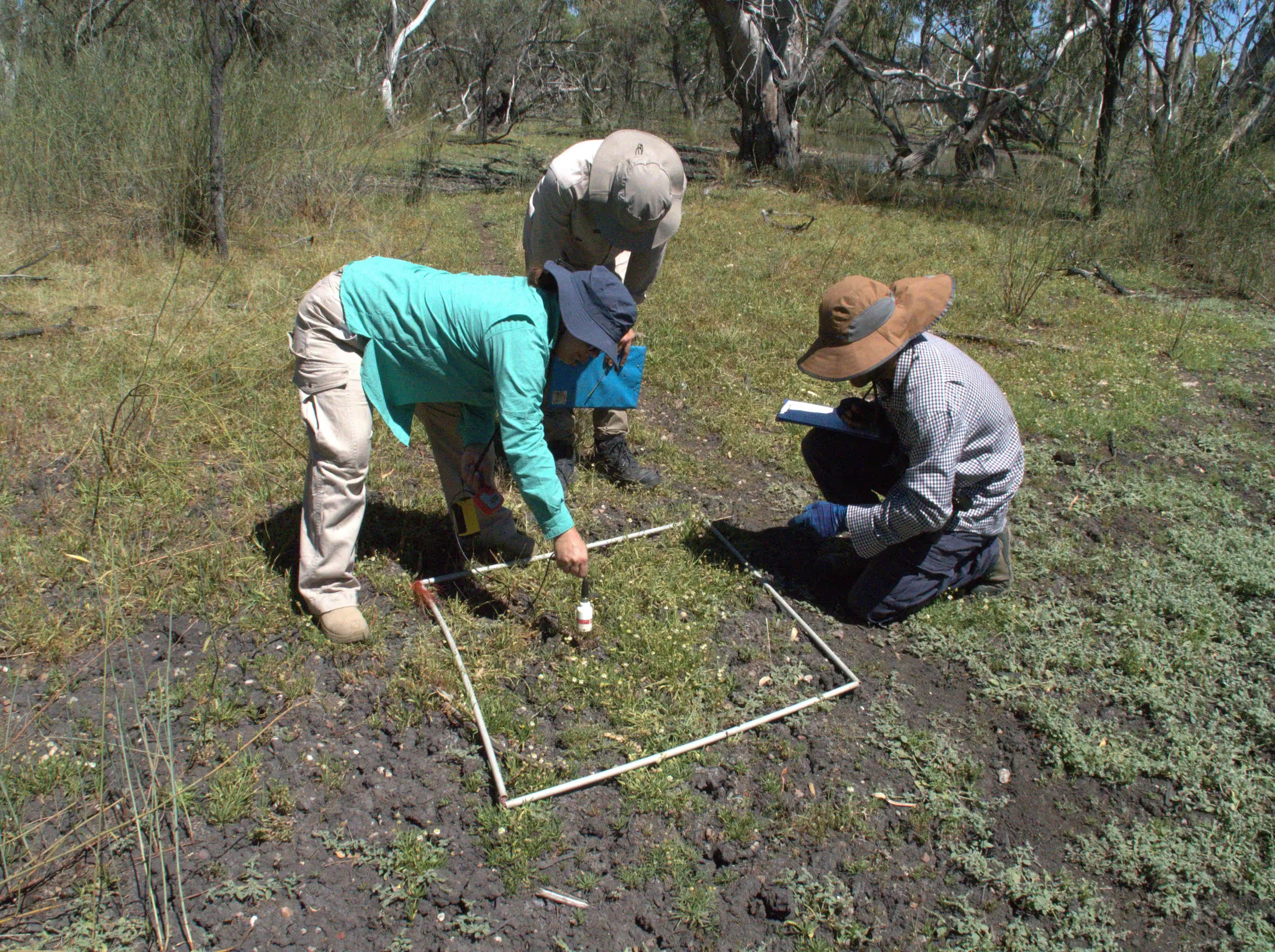
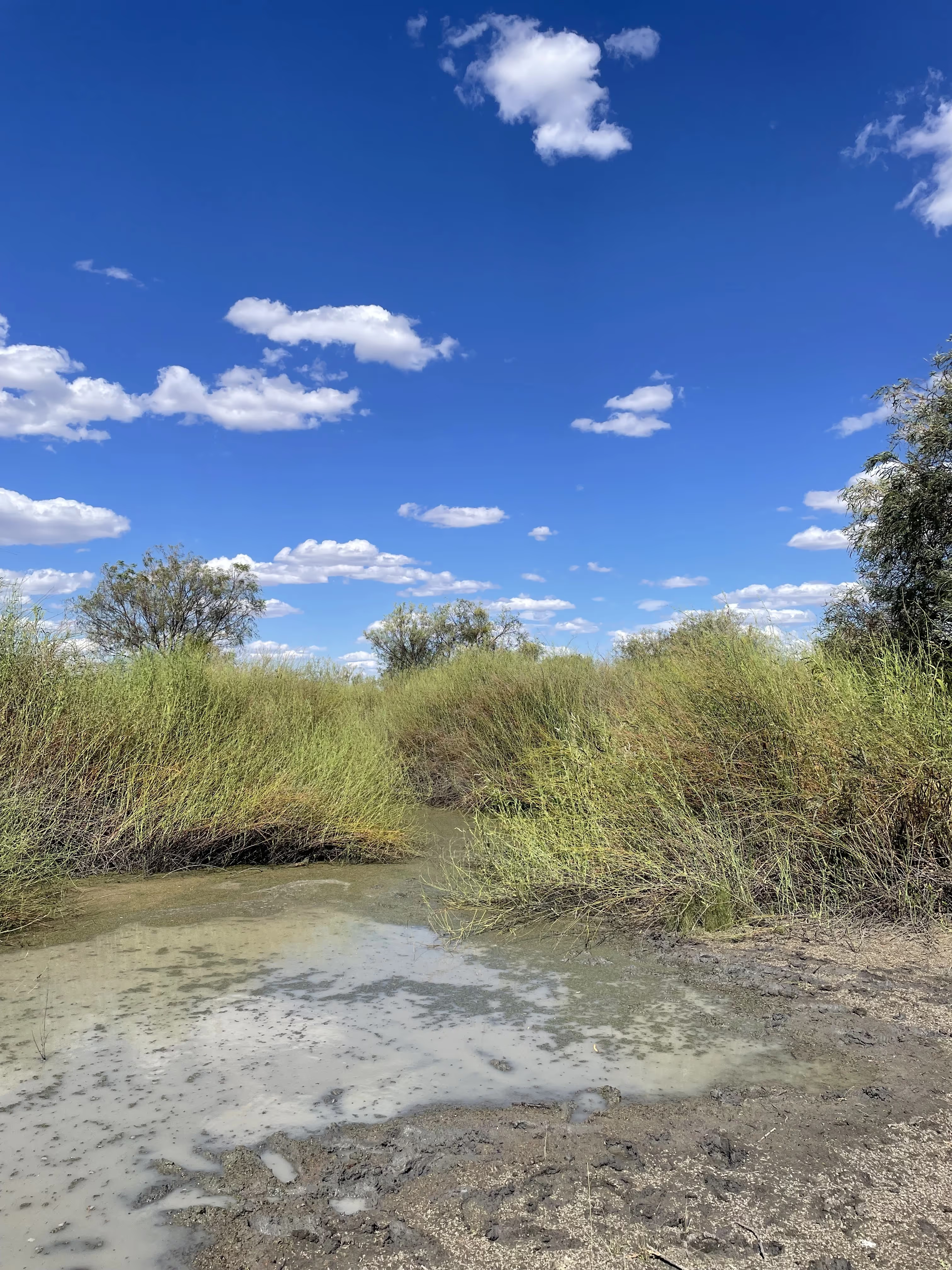
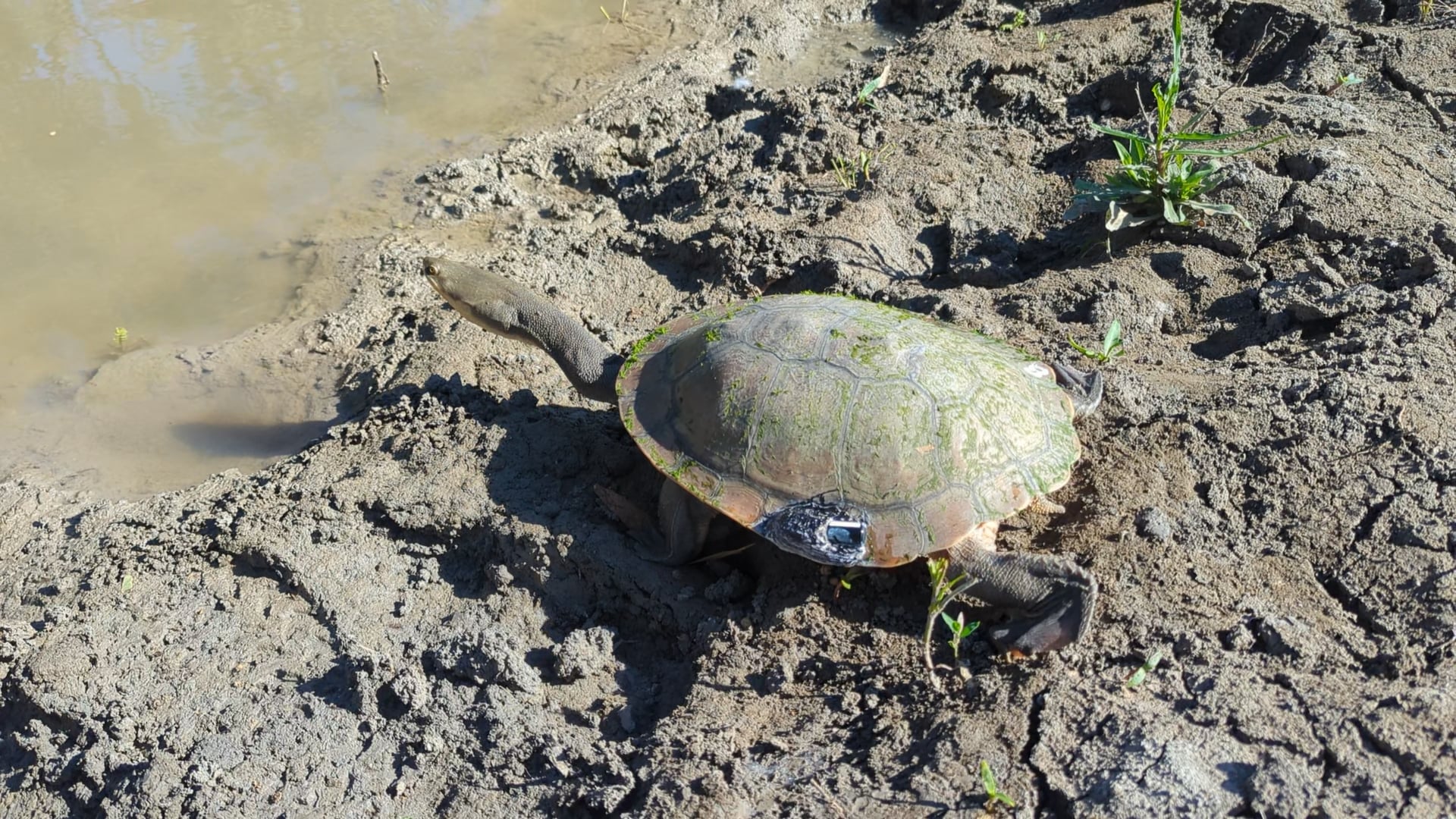
Areas of the reserve that were flooded earlier in the year and remained damp were brimming with life, with vigorous green vegetation and many animals. Notably, core areas of lignum seem to be expanding under the favourable conditions of back-to-back wet years. However, conditions had rapidly dried off in the fringing regions further from the central wetland.
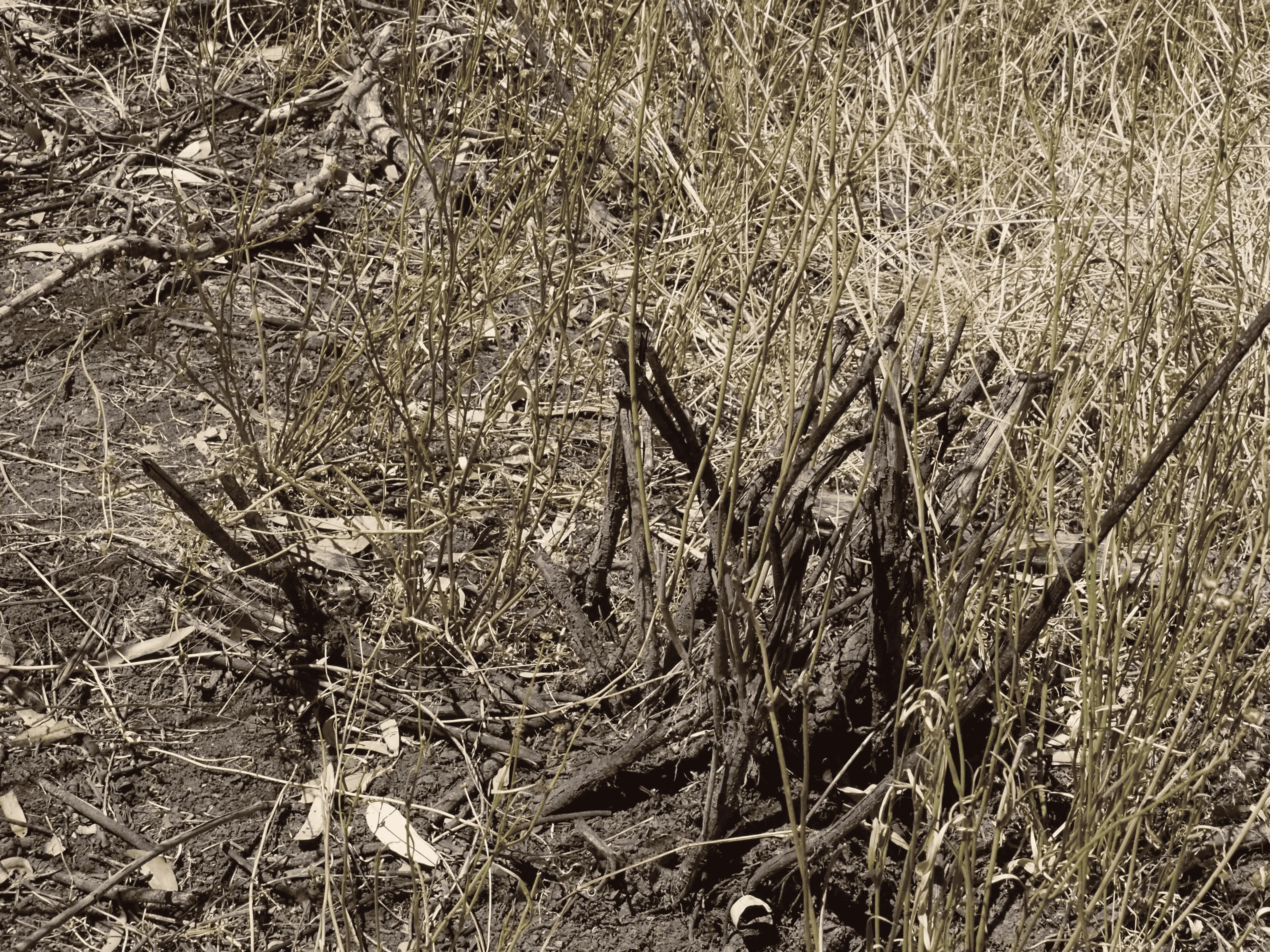
Evidence of the 2023 fire that impacted the western floodplain was still apparent. Trees were sprouting from their branches (known as epicormic growth), and burned lignum shrubs were resprouting to varying degrees.
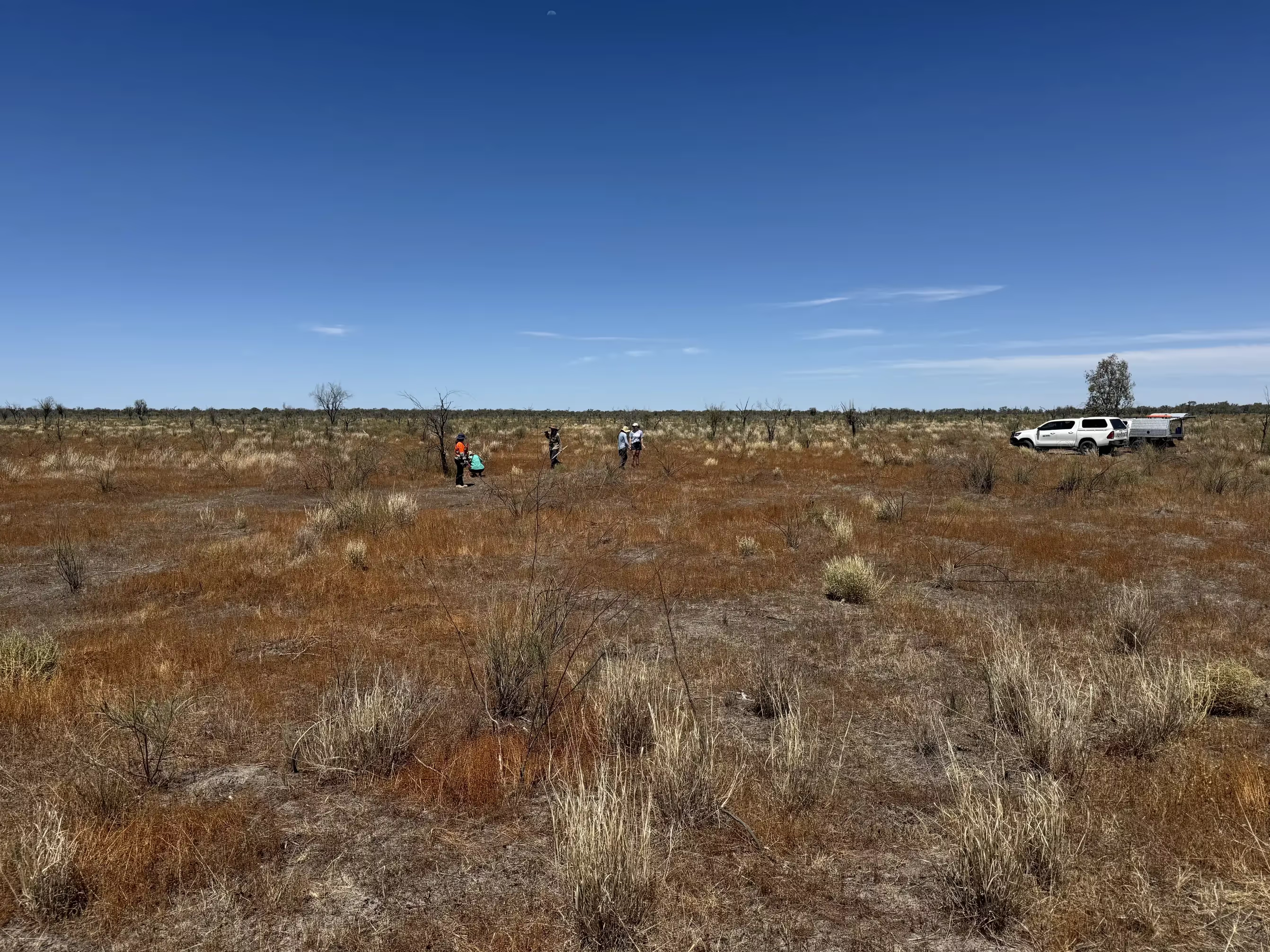
Dr Rebekah Grieger from Griffith University led the study on behalf of UNSW, along with Dr Peta Zivec and Dr Natalie Jones. Researchers from the Australian Rivers Institute and undergraduate students also assisted.
This work builds on surveys conducted by Griffith University since 2004. It will serve as the baseline for ongoing work under the Flow-MER Program to inform environmental water management decision-making.