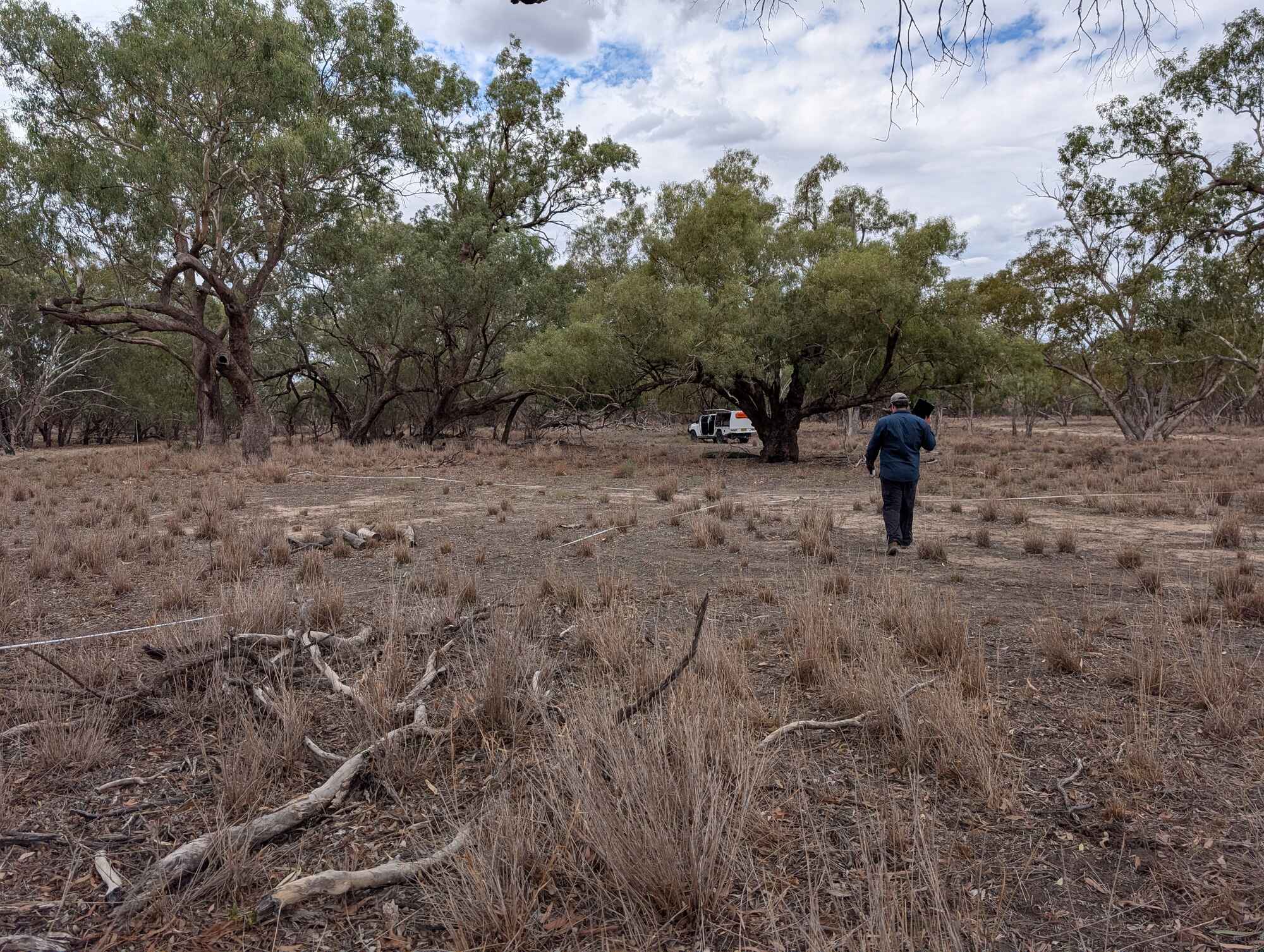
Ground surveys in February 2026 recorded 31 species of waterbirds across 18 sites in the Macquarie Marshes. This was the final ground survey for the 2025–26 water year.
The most numerous species were grey teal (Anas gracilis), with about 2,500 birds recorded. Other birds recorded included black swans (Cygnus atratus), masked lapwings (Vanellus miles), purple swamphens (Porphyrio porphyrio), pied stilts (Himantopus himantopus), yellow-billed spoonbills (Platalea flavipes) and royal spoonbills (Platalea regia).
Survey teams also recorded a flock of about 40 brolgas (Grus rubicunda) and three white-bellied sea-eagles (Haliaeetus leucogaster). Both species are listed as vulnerable in New South Wales. Young birds were also recorded during the February surveys, including juvenile pied stilts.
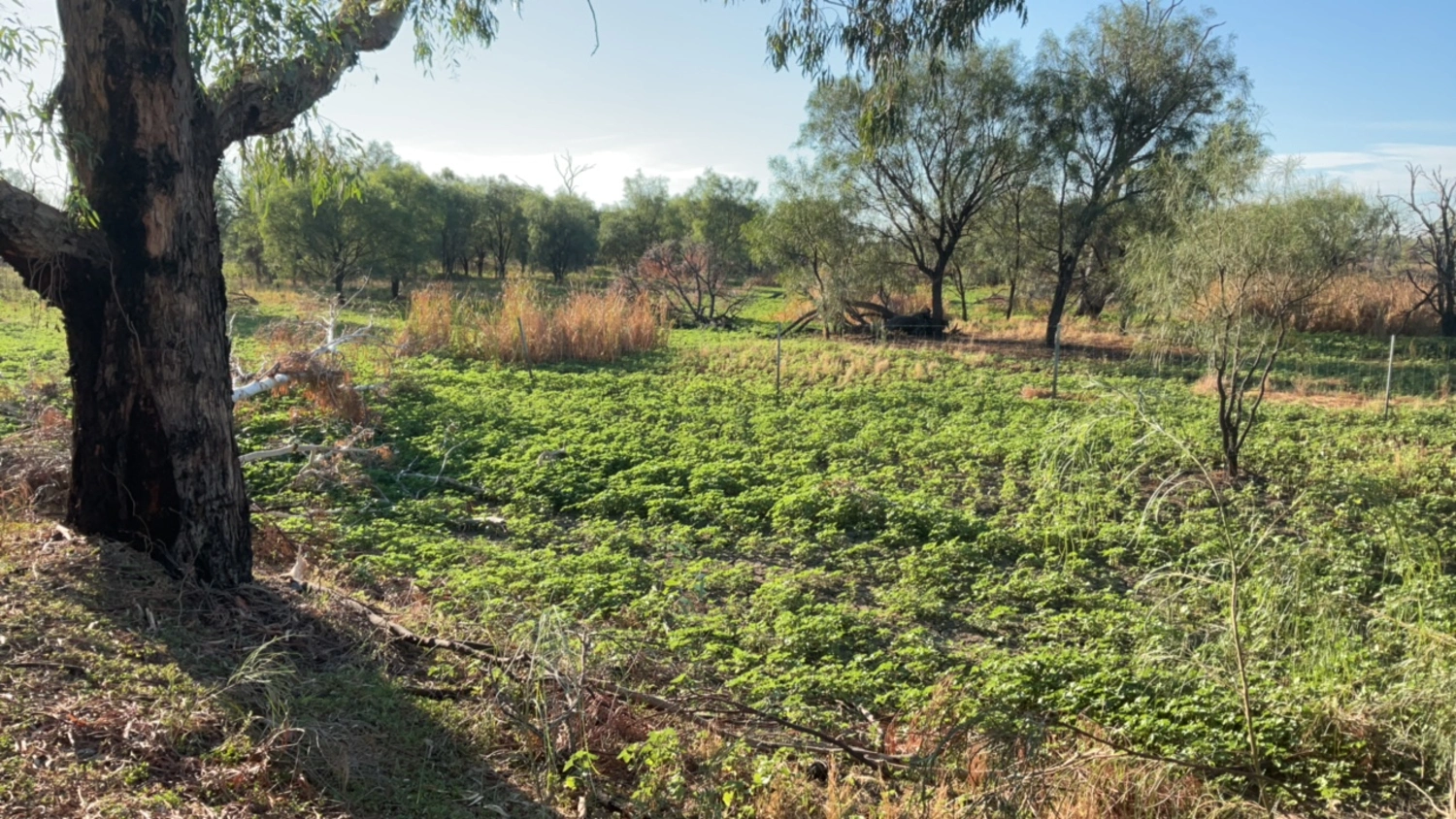
At the time of the survey, water levels across the Marshes were fairly low. Water remained at five of the 18 survey sites. Louden’s Lagoon, in the Northern Nature Reserve, still had high water levels. Parts of the Southern and Eastern Marshes were dry by February, after receiving environmental water in spring 2025.
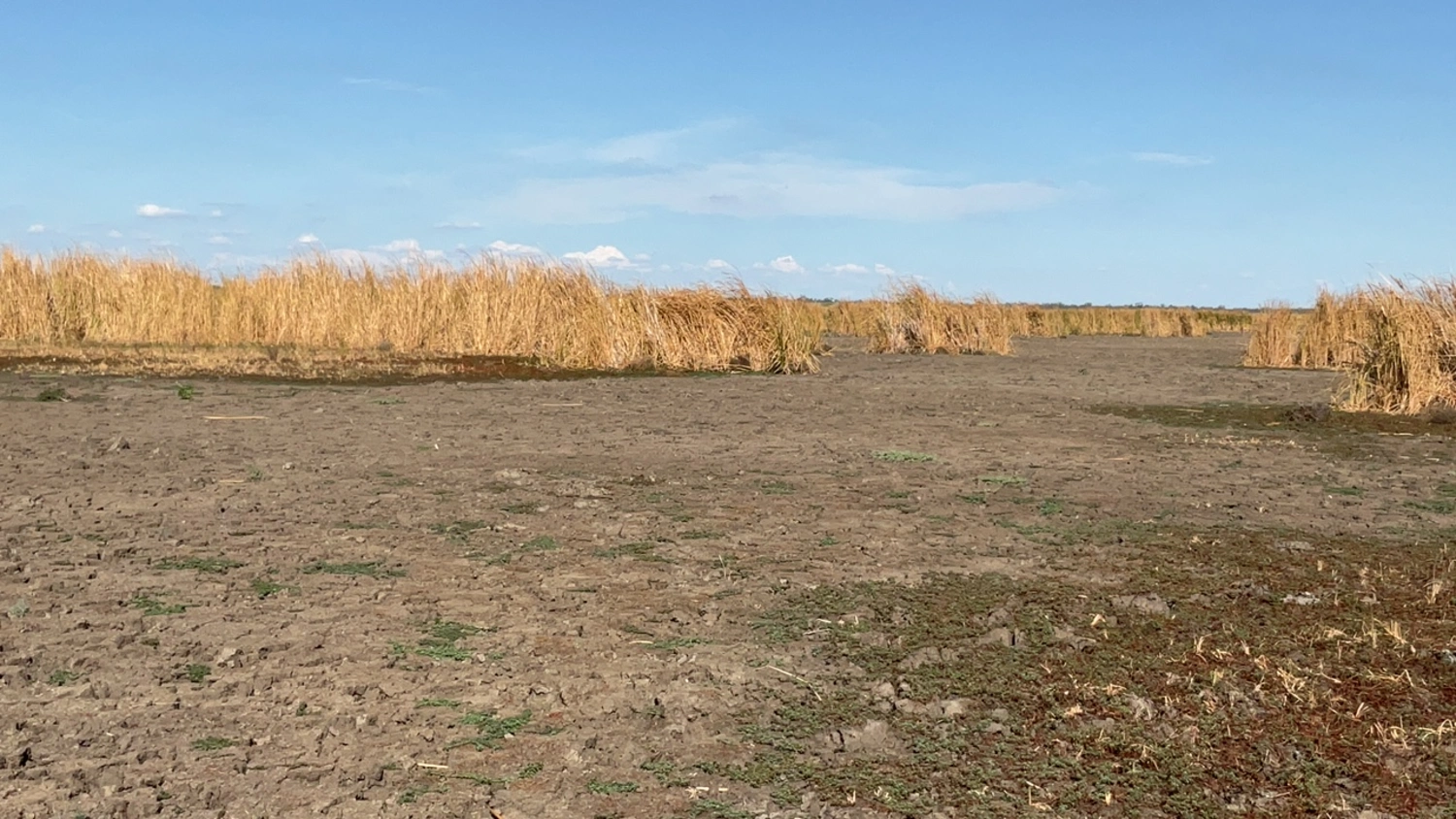
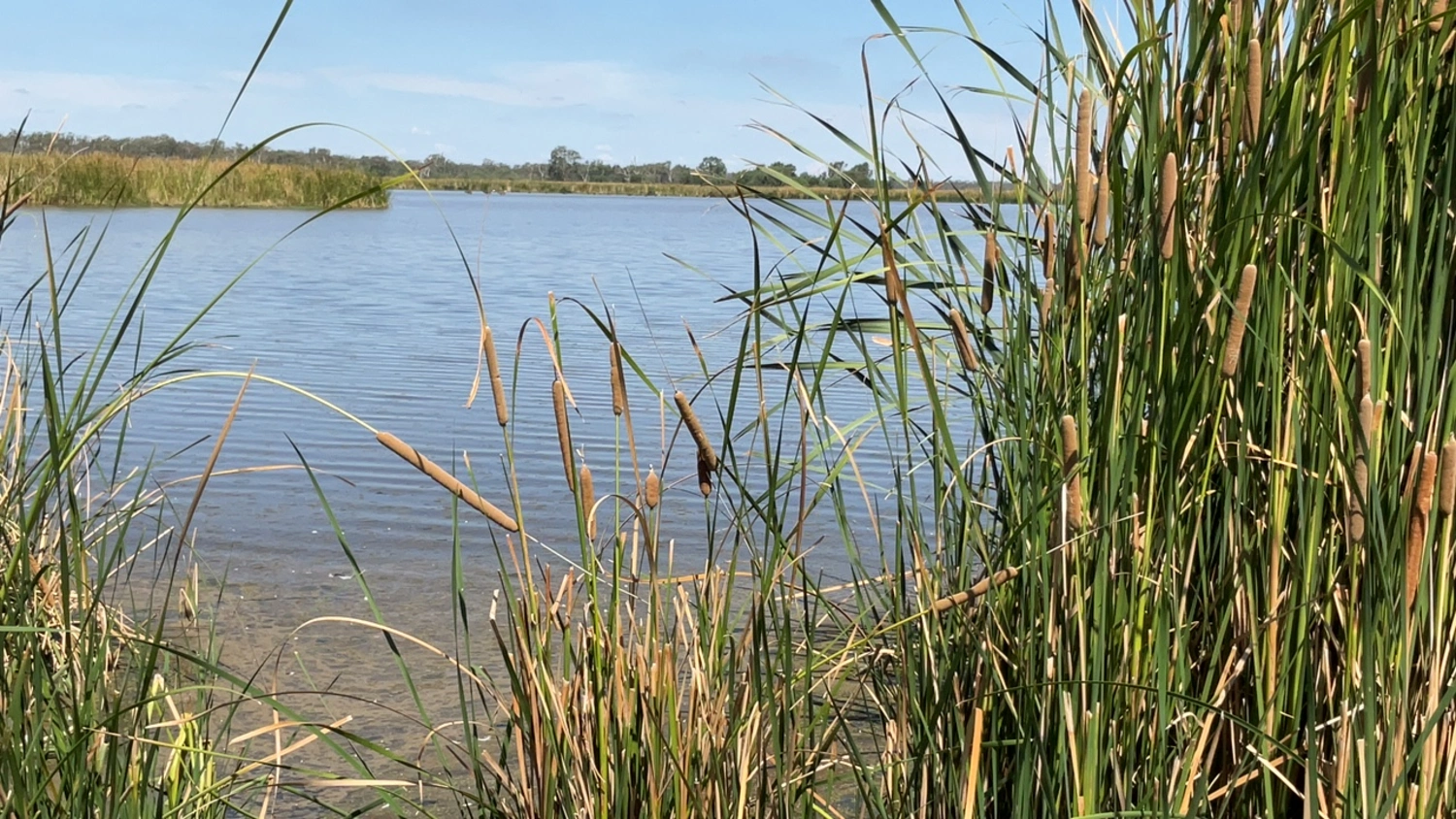
Four waterbird surveys are conducted each year to monitor sites within the wetland system at different stages of filling and drying.
Over the past two water years, surveys targeted four periods:
- pre-environmental flows (August)
- at the peak of the environmental flow event (October*)
- as water levels receeded (December and February).
These staged surveys help researchers understand how different types of waterbirds respond to environmental flows.
The NSW Department of Climate Change, Energy, the Environment and Water (NSW DCCEEW) conducted the surveys in partnership with the University of New South Wales.
*October data were collected as part of NSW DCCEEW’s annual Water for the Environment spring bird surveys.
.avif)