%20(1).webp)
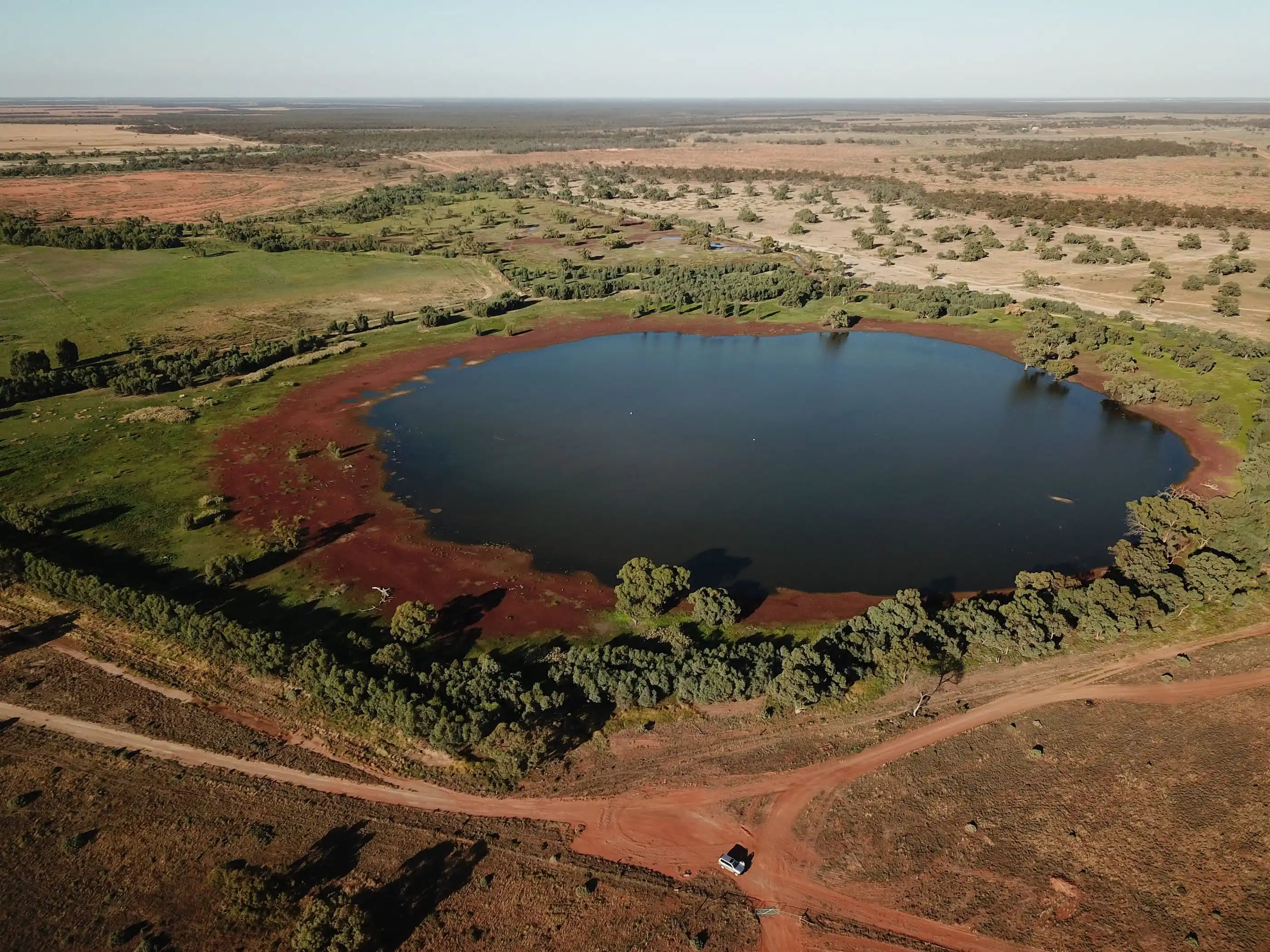
In this podcast we share an inspiring tale of collaboration for nature conservation at a stunning inland wetland. CSU ecologist Professor Skye Wassens and landowner Peter Morton describe their collaboration around Paika Lake near Balranald, which is helping bring life back to the Western Lakes through environmental watering and pest management on private land.
The podcast relates to a multi-modal digital production titled Mosaic, emerging from an 18-month collaboration between the Morton family engaged in wetland conservation, Australian National University, and Charles Sturt University’s Murrumbidgee Area Project team. Mosaic presents a rich and immersive portrait of an inland wetland, woven together through sound, image, and video.
At its core, Mosaic explores how digital design and storytelling can deepen our connection with living environments in all their complexity. It captures the layered realities of wetland ecosystems—celebrating native wildlife, acknowledging the presence and challenges of invasive species, and highlighting the collaborative efforts of landholders and government agencies working to care for these vital landscapes.
Listen to the podcast, before exploring Mosaic to see images, watch short video clips and hear sounds of frogs and birds at the wetland.
Transcript
Environmental Water and Wetland Conservation in the Lower Murrumbidgee: The Western Lakes near Balranald
Guests: Professor Skye Wassens and Peter Morton | Host: Wes Ward
Welcome to Gulbali Stories, where we share inspiring tales of innovation, resilience and sustainability in agriculture, water and the environment from Australia and beyond.
Wes Ward – Host:
A group of Charles Sturt University researchers has been investigating the impact of water flows on the environment of the southern Murray-Darling Basin for nearly two decades now. A team led by Professor Skye Wassens has more recently been studying the impact of environmental water on the wetlands and the flora and fauna that depend on them. They have also noted the importance of farmers and graziers for biodiversity conservation and management in the region. Today I’m speaking with Professor Wassens about the recent research collaboration around Balranald in the lower Bidgee and what this means for local flora and fauna.
Professor Skye Wassens:
The Western Lakes is a mosaic of temporary and permanent wetland systems in the lower Murrumbidgee floodplain. They’re a really unique set of wetlands surrounded by black box and they’re actively managed using environmental water in collaboration with our landholders.
Wes Ward:
How is this area being managed to protect some of the endangered species that are found in this area?
Professor Skye Wassens:
Part of the success of watering actions in the Western Lakes have been a range of complementary measures to control carp, particularly so installation of carp screens that stop large carp entering the wetlands, that protects vegetation and also supports frog breeding and our small bodied native fish. There’s also a range of complementary activities to manage feral species including pigs and foxes and cats, which can also negatively impact native species in these wetlands.
Wes Ward:
So what has been the roles of CSU researchers in informing this management?
Professor Skye Wassens:
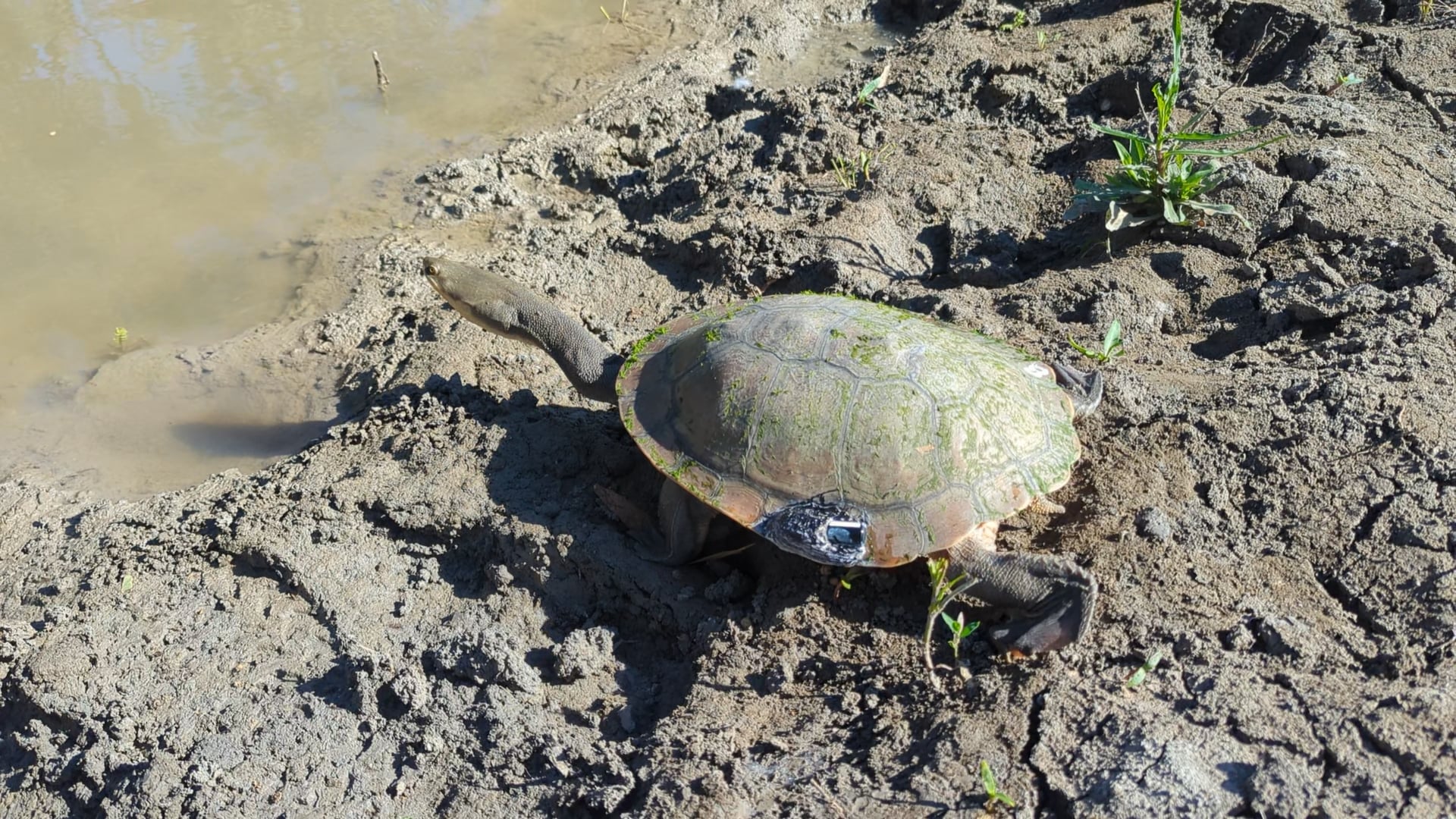
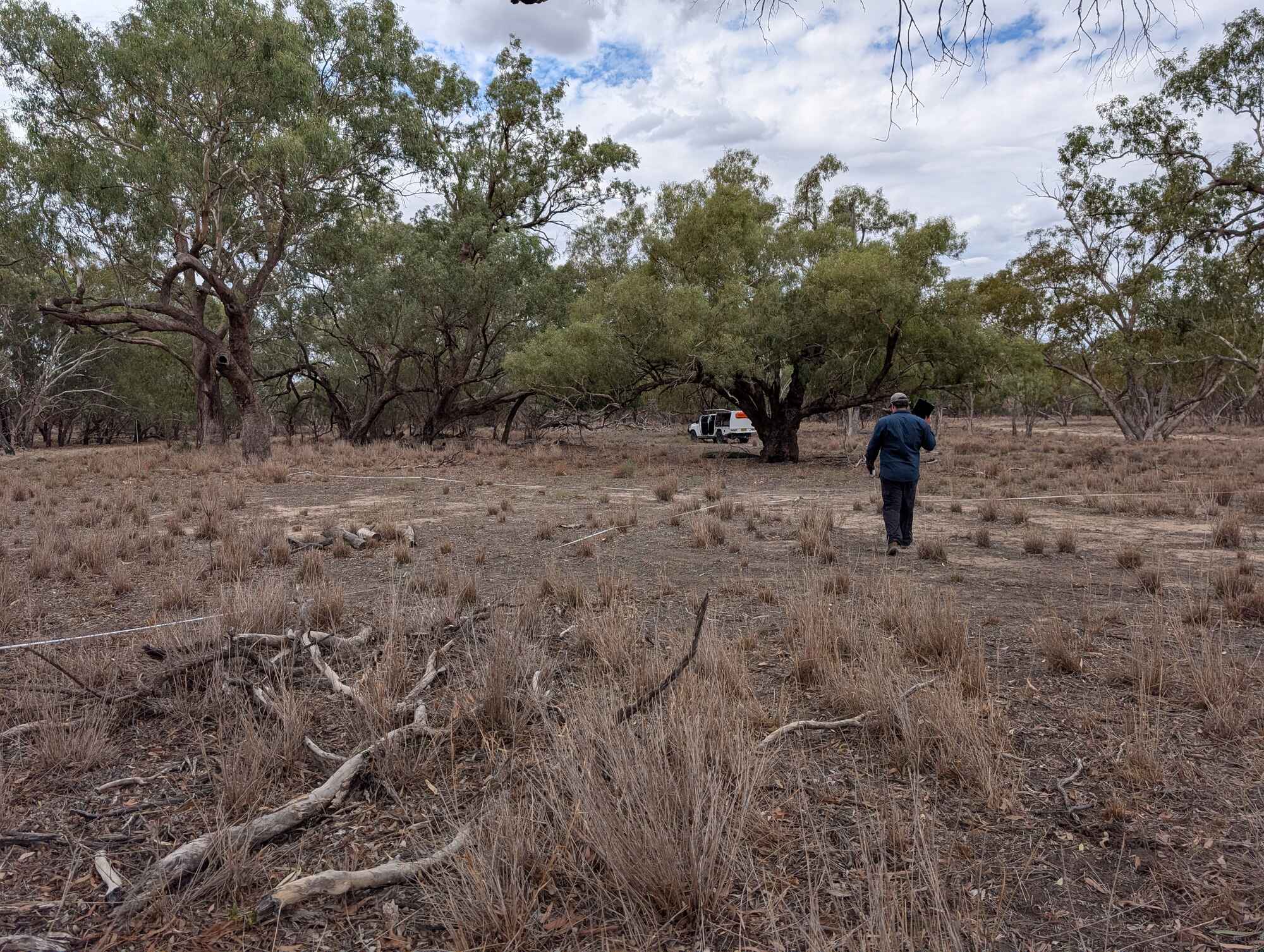
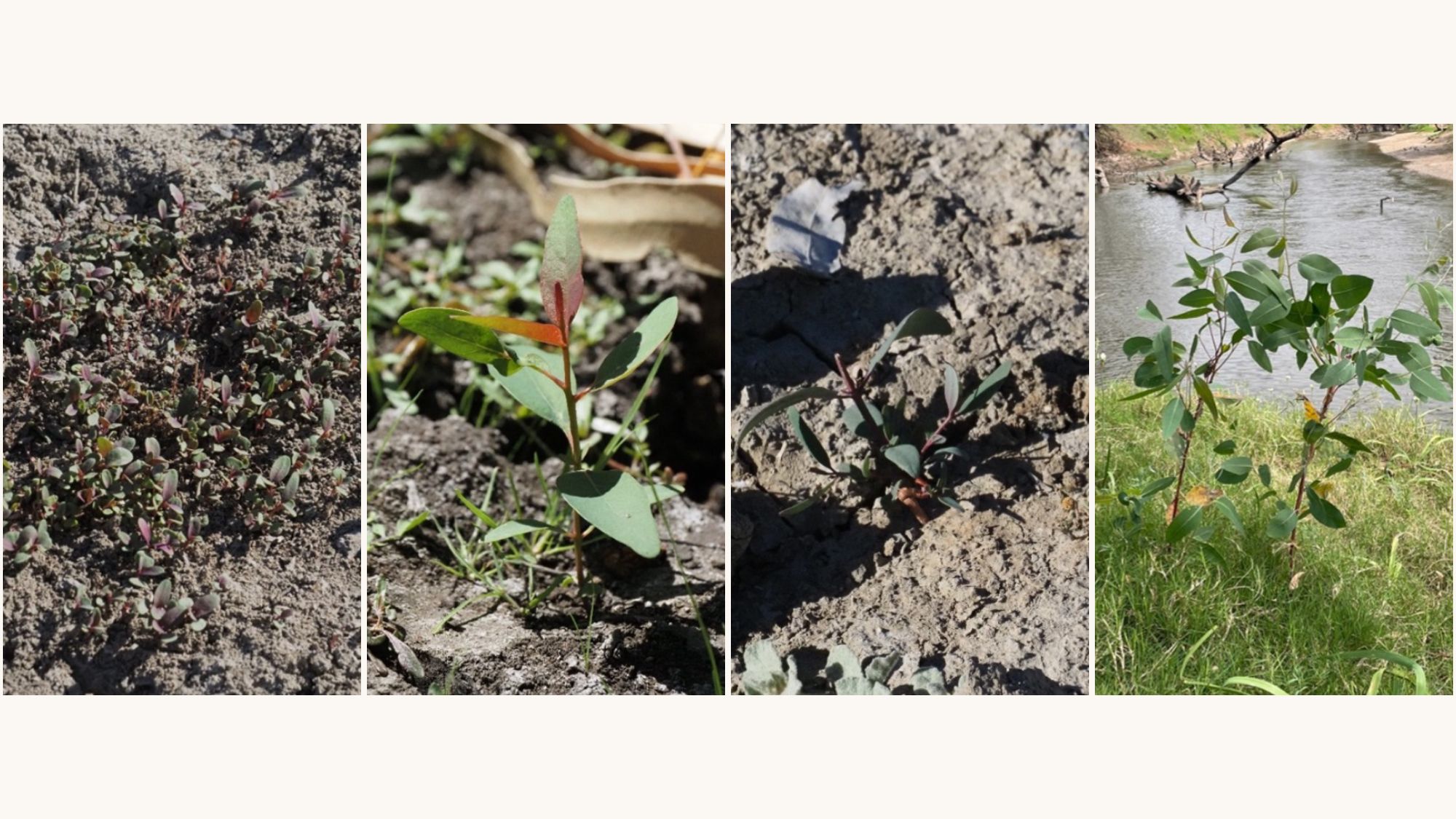
The CSU team works doing monitoring of the environmental water, so we look at frogs and fish and water birds. We also look at vegetation responses following environmental water.
Wes Ward:
And how have farmers been involved in this research work?
Professor Skye Wassens:
Our collaborations with private landholders and people like Peter Morton who are really passionate about the environment is a key part of the environmental water management and the monitoring work that we do. We’re really reliant on landholders to help us understand the wetland systems and to guide us in the priorities for conservation.
Wes Ward:
Peter and Sue Morton play an active part in ensuring the environmental water that reaches their property of Dundomallee, north of Balranald, benefits a wide range of native animals and plants. Rare and endangered species such as the Australian painted snipe, Australasian bittern, Australian little bittern, Southern pygmy perch and Southern bell frogs have all been recently found on their property. They are also keen birdwatchers, photographers and observers in their own right.
Peter Morton:
I feel very privileged to have this opportunity here working with different departments that have been helping out.
Wes Ward:
Peter has helped Charles Sturt University researchers and ANU researcher Mitchell Whitelaw to set cameras and sound recorders that monitor birds nesting in wetlands on the property.
Peter Morton:
Mitchell Whitelaw’s camera is set up here recording for the last 12 months the drying phase of this upper Cherax Swamp. It’s been really terrific to see some of the photos and different animals that move through in that period.
Mitchell has done a terrific job with half a dozen cameras here. I don’t know where they all are but hopefully some of the set cameras I’ve done can be used to complement his hard work as well.
Some of the birdlife that has been recorded nesting out here last year was the swamp harrier, a little bittern, plenty of grebes. There was several recordings of little bitterns calling out here and we have photos of them building a nest.
This is a filling at Snipe Swamp. We had 27 birds here at the peak. They stayed for four months leaving on Boxing Day and headed back to Birdsville.
Wes Ward:
Exclusion fences have also been built around wetlands to help manage the impacts of feral animals including goats and foxes.
Peter Morton:
One of the major problems we had during the drying season was the feral goats coming in. There were hundreds coming in, so we finished up doing an exclusion fence. The exclusion fence was probably prompted by the fact that the swamp harrier that nested here was about three days off hatching and the fox came along and cleaned up every egg.
Stage two of the exclusion fence will be adding another metre on the existing metre fence and that will take out the cats and foxes. It’s also being prepared for a painted snipe which nested out here in 2023.
Wes Ward:
European carp are the number one pest in the waters of the wetlands. Fine mesh screens across the lake channels are used to control the movement between the lakes.
Peter Morton:
I believe one of the major reasons for all the success of the endangered species we found out here has been the exclusion of the European carp. We’ve got screens over a number of reserves here and it’s really showing up with the frogs and endangered species. This carp screen here has been vital to the success of the western lake system. It’s probably about a tonne of carp out in front of the screen at the present.
Wes Ward:
Peter also believes that a comprehensive plan is needed to manage the weeds around the lakes.
Peter Morton:
We hope to put a management plan in place here so that the hard work in controlling the Bathurst burr and the Noogoora burrs and box thorns is ongoing. It’s been a good input from the family helping with the planting of the spire grass and the phragmites and we’re happy they can see it down the track as this shall be ongoing.
Thank you for listening to Gulbali Stories. Discover more about research and partnerships at the Gulbali Institute at Charles Sturt University by visiting our website or following us on social media at #GulbaliInstitute.
Contact Professor Skye Wassens at the Gulbali Institute to find out more about the research into the importance of environmental water for the endangered species found in the Lower Murrumbidgee lakes. Also find out how landholders are playing their part in biodiversity conservation on their properties.
You can see, read and hear more on these amazing wetlands at the Mosaic website.
Through the Commonwealth Environmental Water Holder’s science program, Flow Monitoring, Evaluation and Research (Flow-MER), Charles Sturt University monitors outcomes of environmental water delivery in the Murrumbidgee and Mid-Murray Flow-MER Areas.