Foreword
.avif)
by Dr. Simon Banks, Commonwealth Environmental Water Holder
Looking back on a decade of environmental water management in the Murray–Darling Basin, I’m struck by both the scale of what we’ve achieved and the strength of the science that has guided us every step of the way.
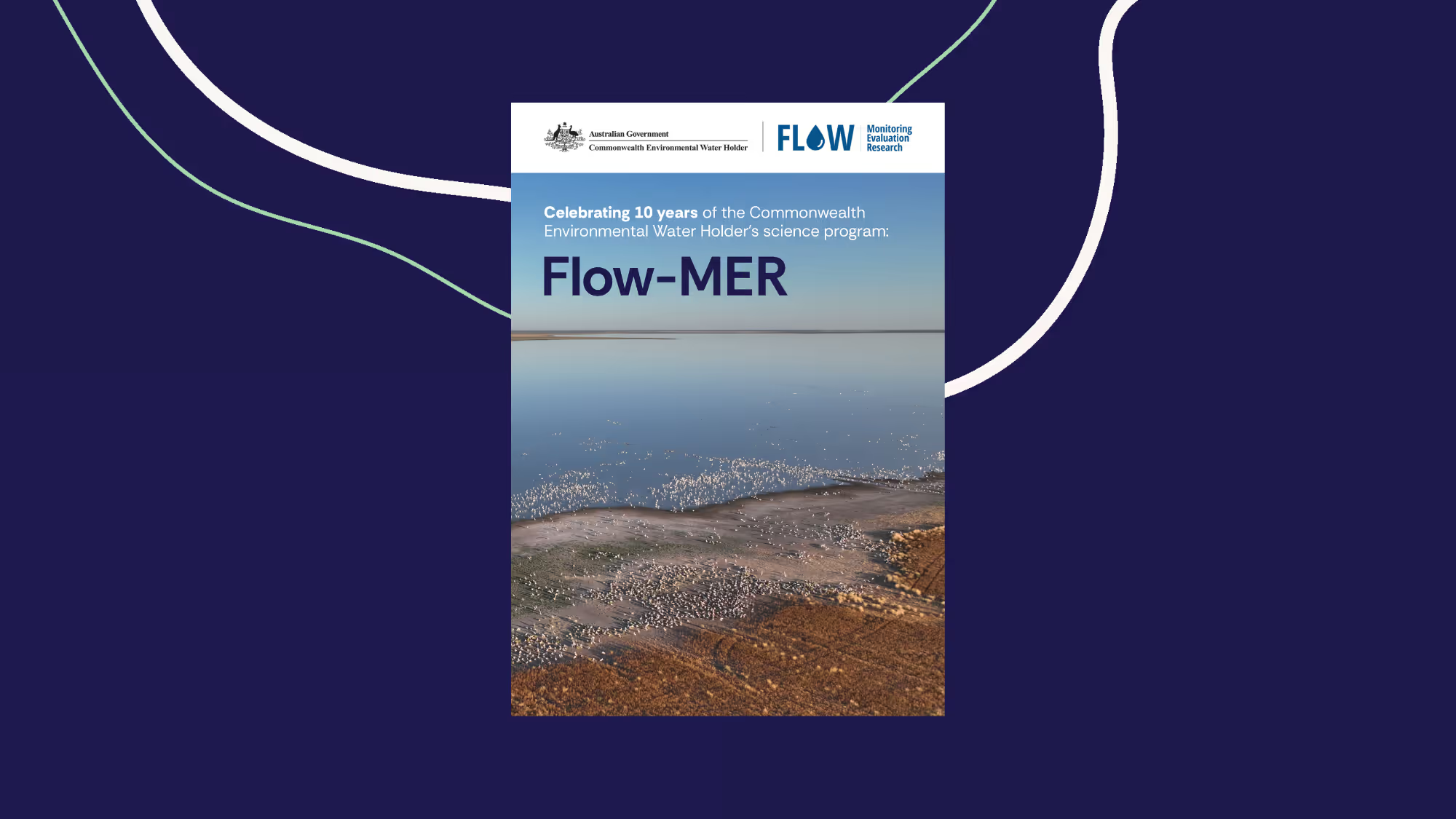
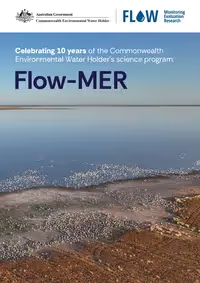
This booklet captures that journey. It reflects the progress, partnerships, and knowledge built through Flow-MER – the Basin’s largest and longest-running environmental water science program. But to truly understand how far we’ve come, you have to go back further.
Fifteen years ago, Flow-MER began as a bold vision—an ambitious idea to pair water delivery with rigorous science so that every drop of environmental water could do the most good. In those early days, it wasn’t just about launching a program—it was about laying a foundation. One built by pioneers: scientists, river managers, and community leaders who recognised the urgent need to act and who helped shape how we manage water for the environment today.
Their legacy endures in how we adapt and make decisions. It’s visible in the way we target flows, measure outcomes, and stay accountable to the ecosystems and communities that depend on us. Thanks to them, Flow-MER is more than a research initiative—it’s the backbone of how we manage Commonwealth water for the environment. It helps us decide when, where and how to act to support the health of rivers, wetlands, floodplains, and the species that live there.
During the past 10 years alone, we’ve delivered more than 18,000 gigalitres of Commonwealth environmental water to 56 different ecosystem types.
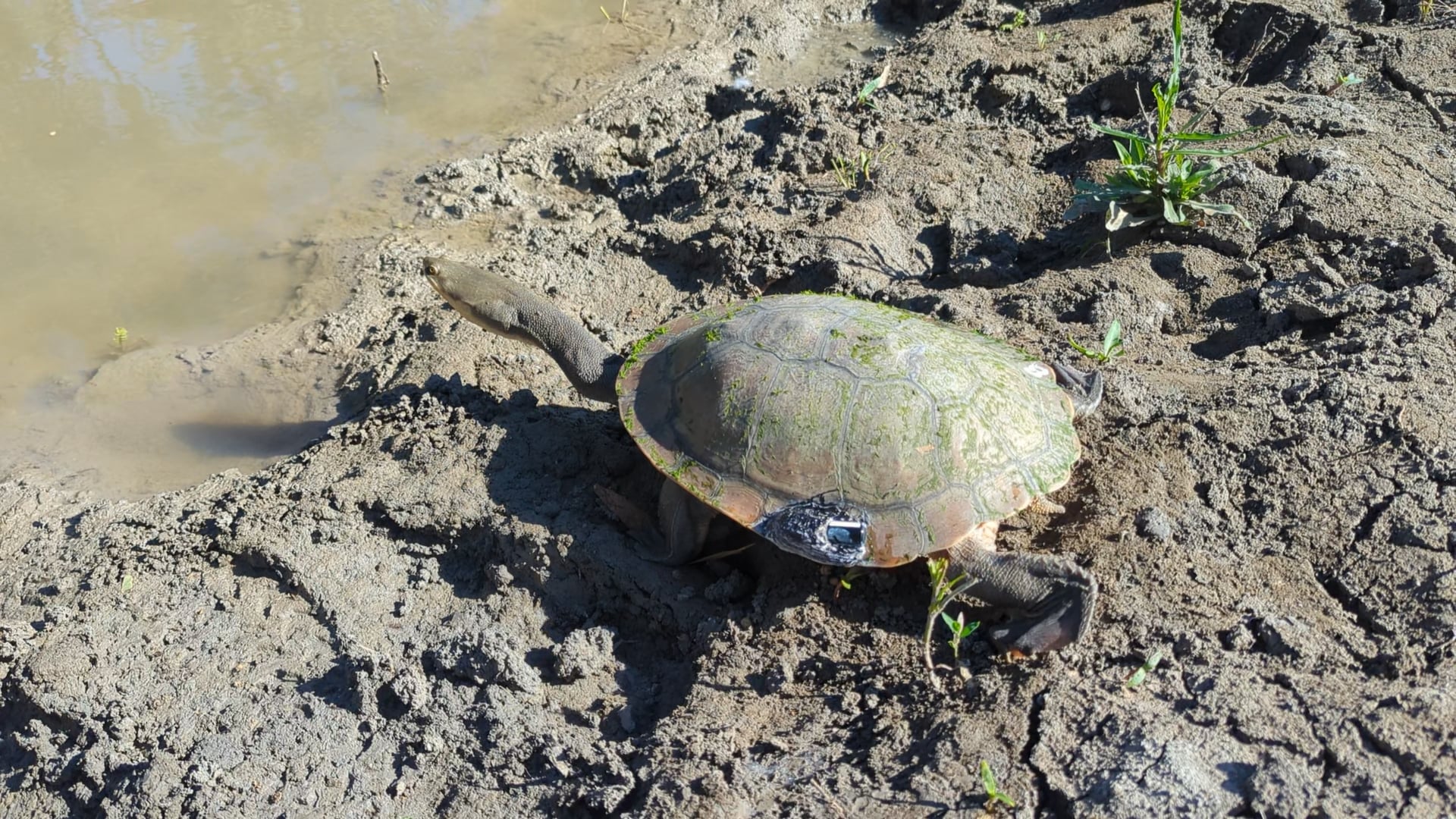
Those numbers speak to real impact: some native fish returning to breed and thrive, waterbirds nesting in greater numbers, and species like the southern bell frog reoccupying parts of their former range.
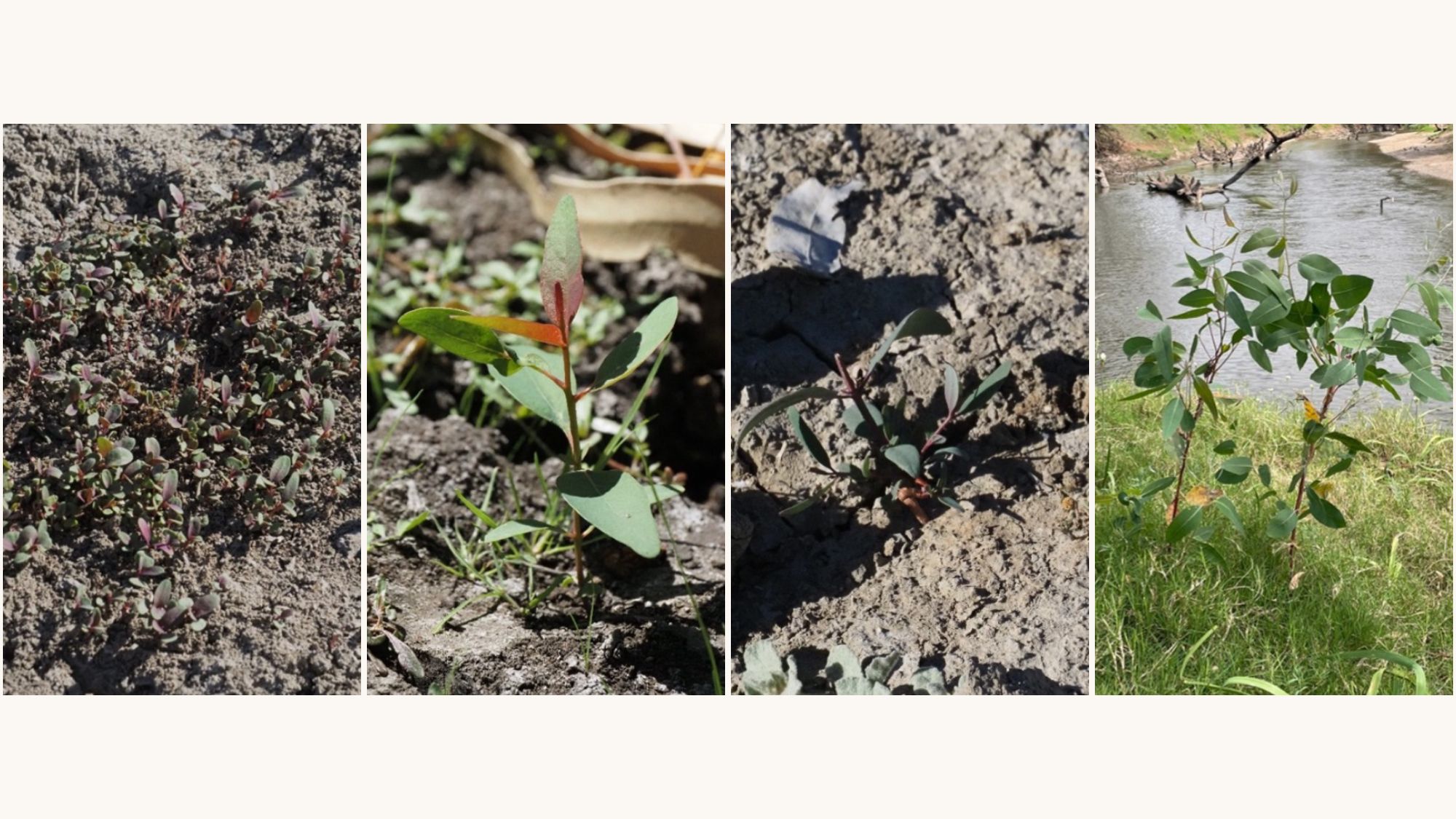
These outcomes aren’t accidental; they are the result of science-informed decision-making, careful monitoring, and enduring partnerships. We’ve seen more than 28,000 kilometres of waterways restored and more than 470,000 hectares of vital habitats (lakes, wetlands, floodplains and estuarine ecosystems) revived. We’ve helped keep 11 Ramsar-listed wetlands resilient and supported threatened species like silver perch, Murray cod, and Murray hardyhead through critical life stages.
Every success is built on evidence. Every action we take is grounded in a clear vision: Healthy rivers for healthy communities, valuing every drop. It’s this vision that continues to drive us as we face the challenges of a changing climate and work toward long-term resilience.
We operate with integrity, transparency, and a focus on results. Flow-MER’s collaborative approach, especially with First Nations peoples, remains central to building a better, more sustainable future.
This booklet marks an important milestone, but it’s not the end of the story. With continued investment and a clear strategy for the years ahead, we’re better positioned than ever to adapt, lead, and deliver. The Basin is alive, complex, and deeply valued—and thanks to the passionate people behind Flow-MER, it’s in capable hands.
I’m proud to lead this work and proud of the foundations laid 15 years ago. We honour those early visionaries by carrying their legacy forward; ensuring that the rivers, wetlands, wildlife, and communities of the Murray–Darling Basin continue to thrive for generations to come.
Read the booklet here.
Important Links:
- To view Program highlights and stories across the Basin or along River Systems, visit 'Our Work' via the navigation menu
- To view detailed Basin-scale or Area-scale reporting, visit CEWH science programs (DCCEEW)