Flow-MER Project members, water managers, Aboriginal people, and other environmental experts came together for two days in March for the 2026 Flow-MER Northern Murray-Darling Basin Forum in Dubbo.
The Macquarie River and Marshes Flow-MER team hosted the event. Participants discussed opportunities and challenges related to water for the environment and identified ways to work together.
The program began with a visit to the Platypus Rescue Centre at Taronga Western Plains Zoo. UNSW is leading research funded by the Commonwealth Environmental Water Holder (CEWH) that monitors platypus health. This work helps improve how water is managed to support the platypus.
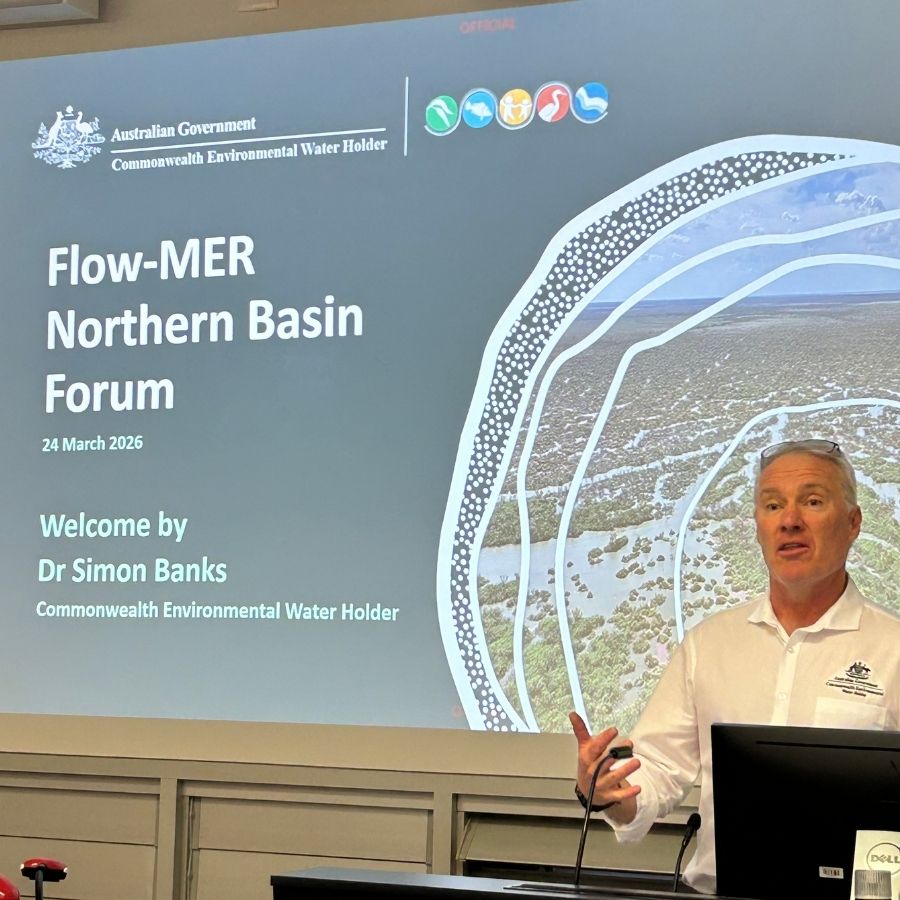
The official part of the Forum started with opening remarks from Dr Simon Banks, the CEWH (pictured below).
Presentations then focused on the region's main rivers. Participants also worked in groups on topics such as River Flow and Connectivity, Native Fish, Waterbirds, Native Vegetation, and Knowledge Exchange. The event also gave people time to connect informally and share ideas.
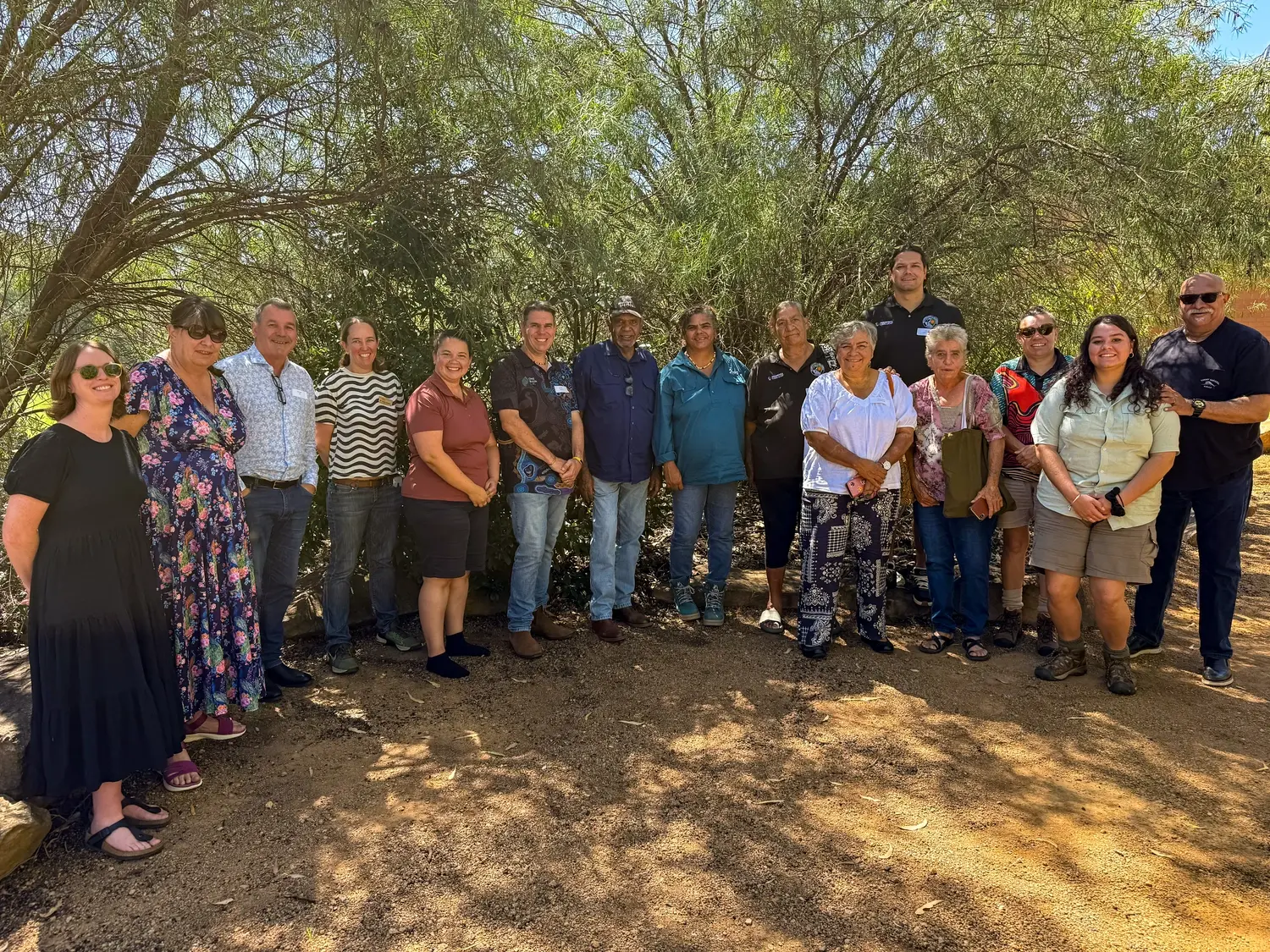
The Flow-MER Northern Cultural Network meeting was held alongside the forum. It brought together the First Nations MER Team and Cultural Advisors (pictured below) to share insights. Discussions covered meeting on Country, Cultural Outcomes reporting, new data collection approaches, strengthening water literacy, and successful grant initiatives.
An optional one-day field trip to the Macquarie Marshes followed the forum. Guests were welcomed to Country by Wayilwan Elder Uncle Tom Carney and enjoyed a performance in the Wayilwan language by the Warraan Widji Arts Centre's Budjirriwan band (pictured below).

Local landholder Leanne Hall (pictured below, far right) spoke about how she and other landowners protect the Marshes while also running grazing businesses.
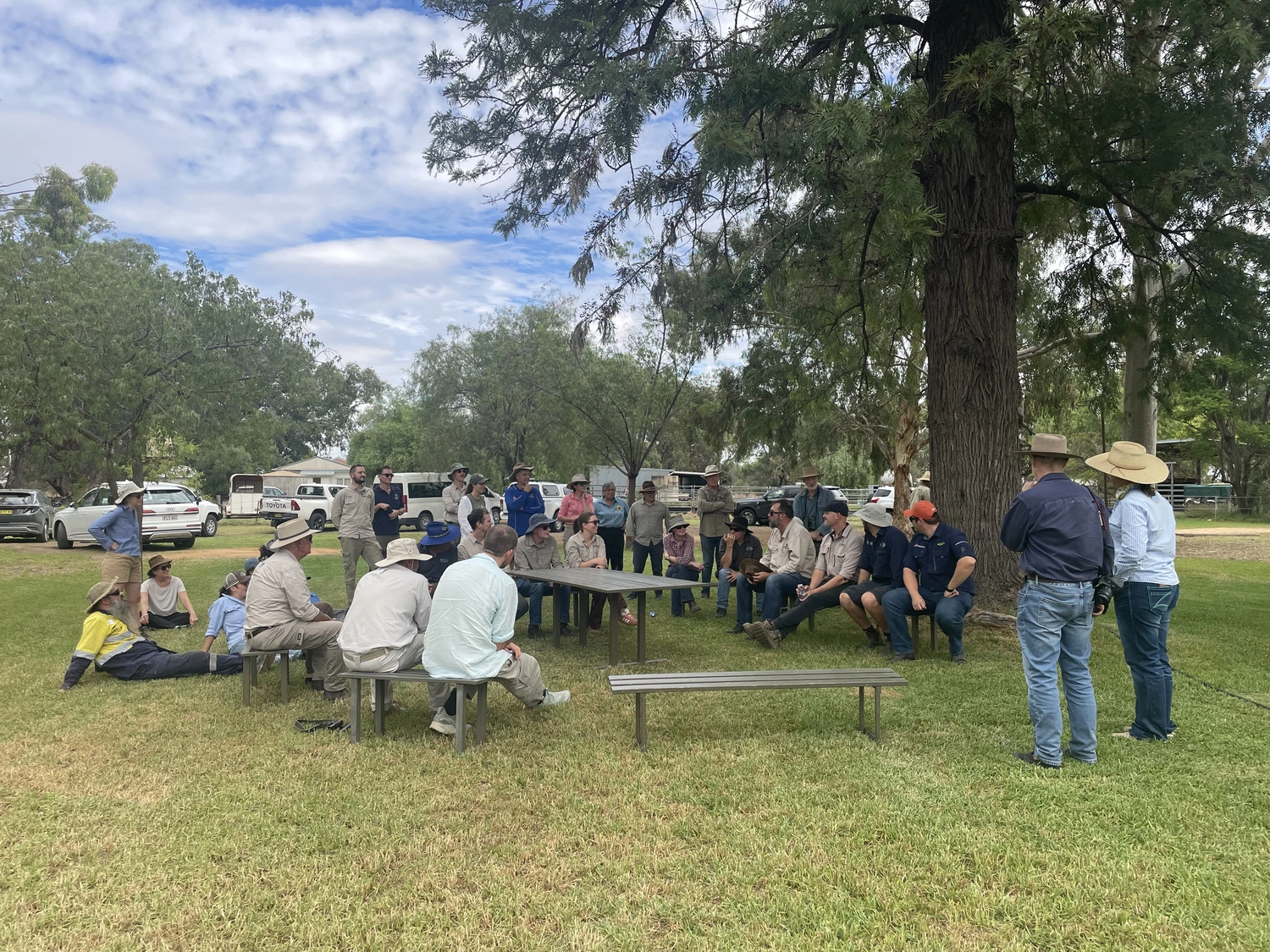
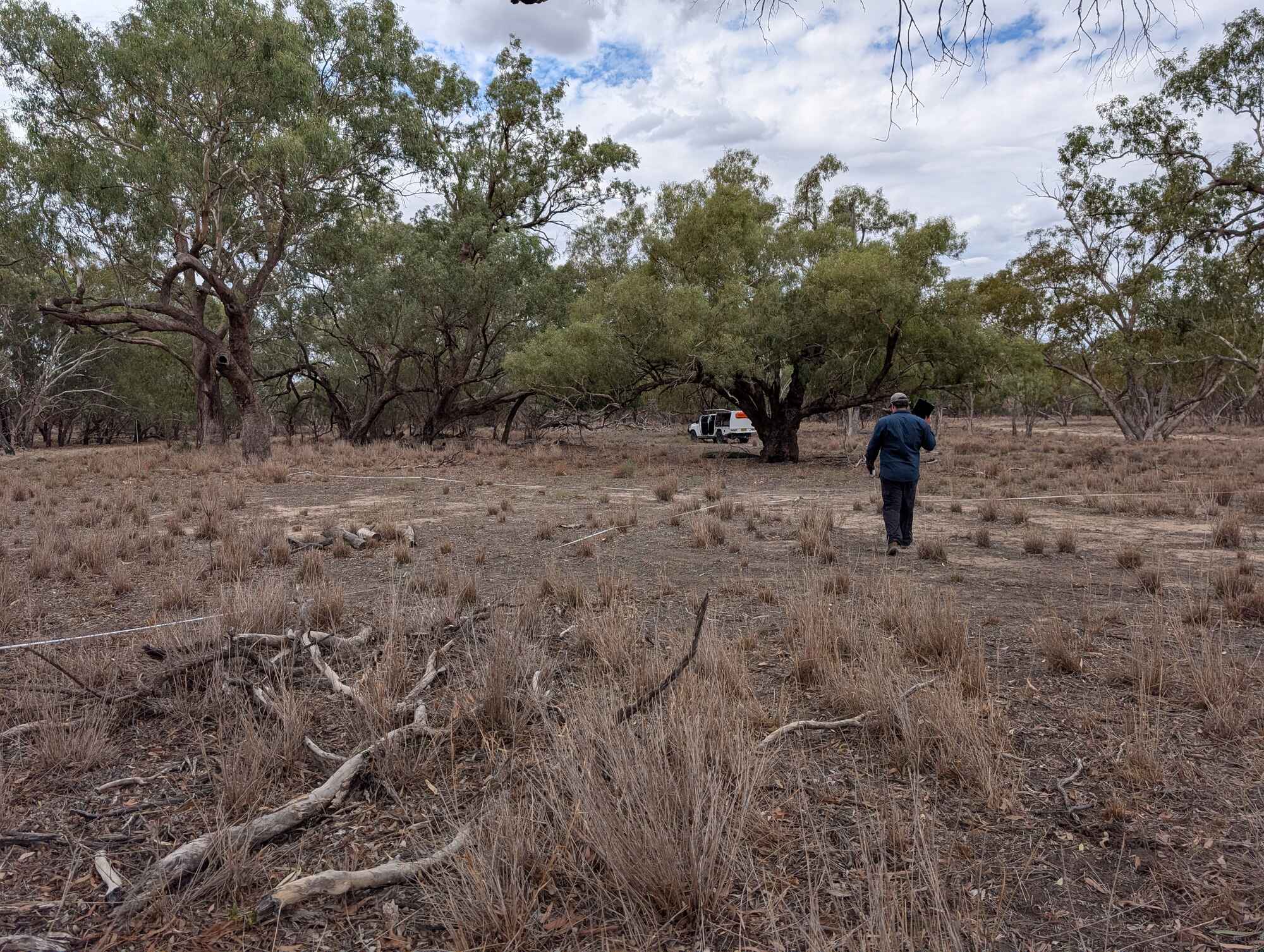
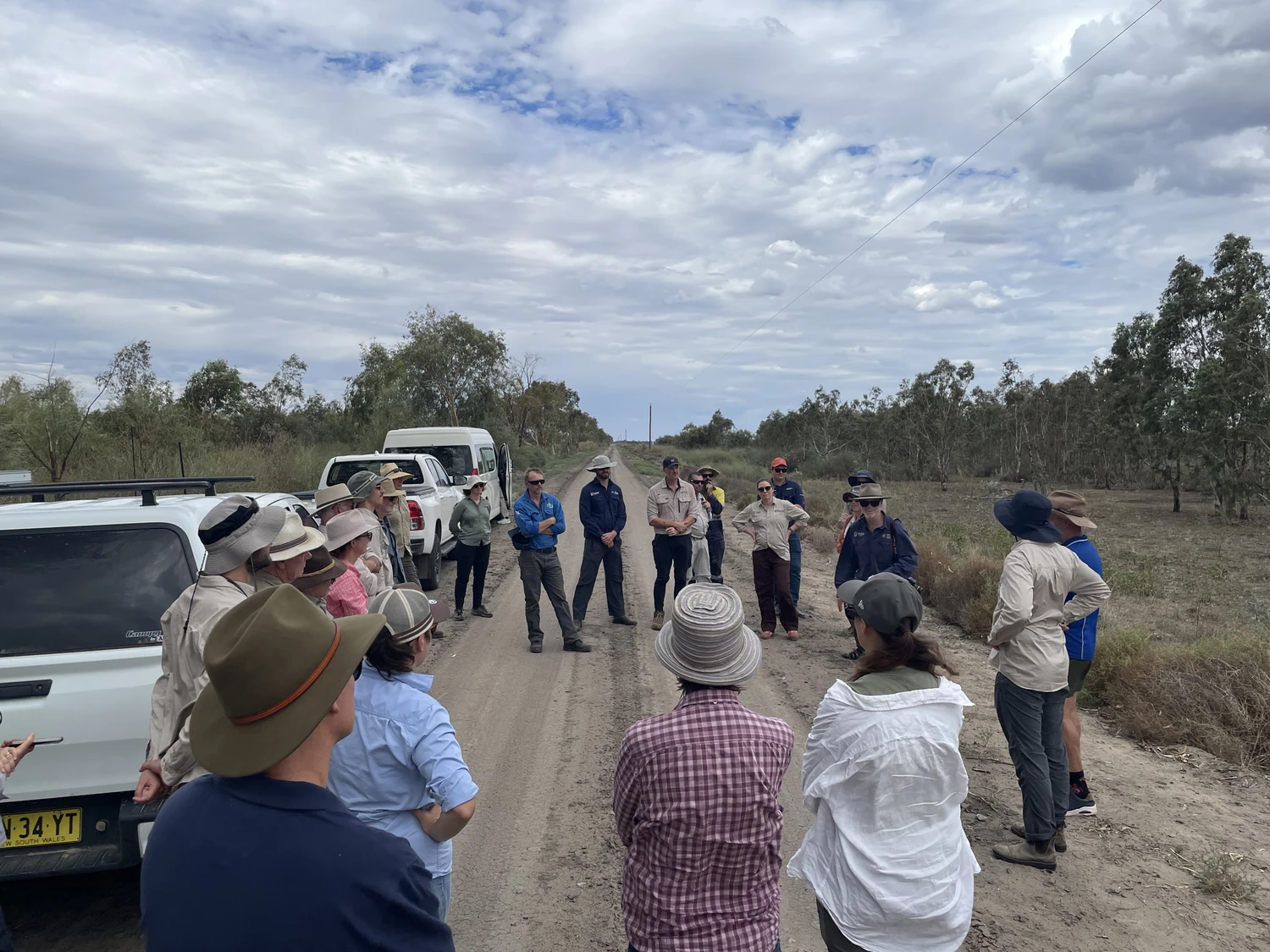
The group visited key Marshes sites (pictured below) to gain a better understanding of this internationally significant wetland system.
Landholder update event
After the field trip, the Macquarie River and Marshes Flow-MER team stayed on to host a local landholder event. The informal BBQ included presentations on the results from the 2024–2025 Flow-MER work.
.avif)