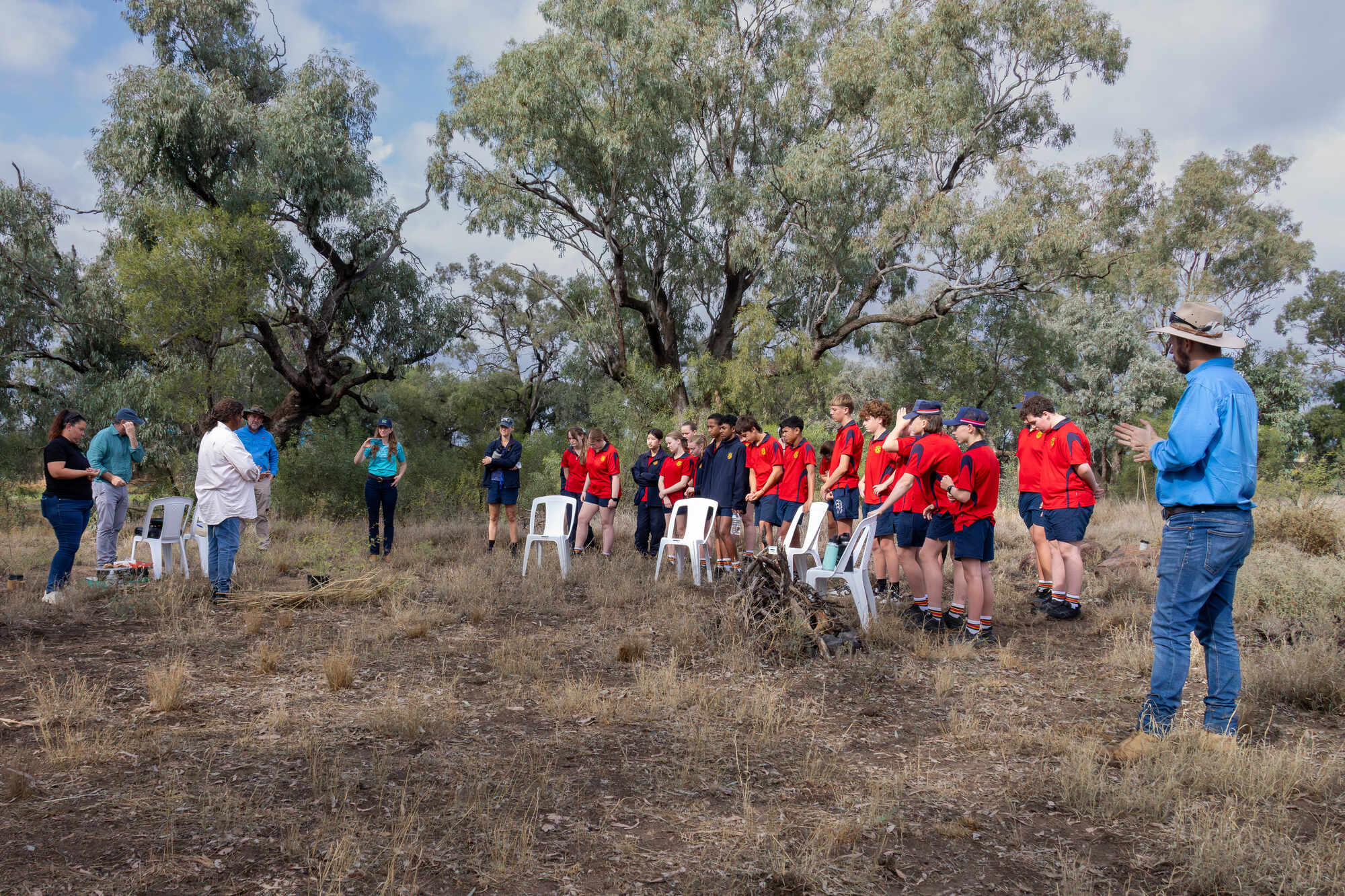
Gomeroi women Kerrie Saunders and Dr Brooke Kennedy (University of New England) were at the heart of a special on-Country learning day at Whittaker’s Lagoon on 27 May 2026 as part of the Gwydir Area-scale Project. As cultural advisors, they shared their knowledge of Country and the many ways Aboriginal people have gathered, and continue to gather, resources from wetland environments.
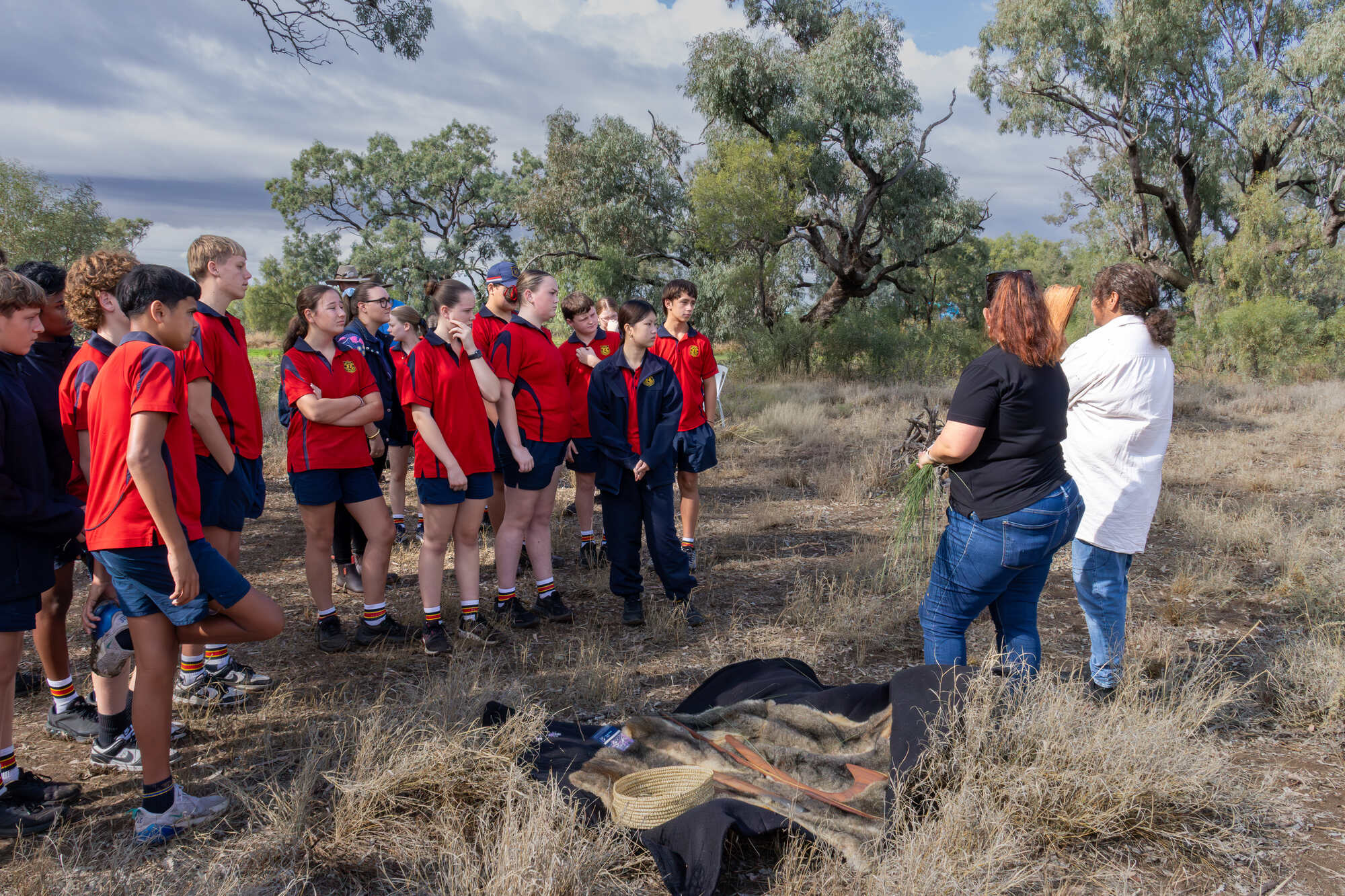
Year 8 students from St Philomena’s School in Moree joined them on Gomeroi Country for the experience, which focused on culturally important wetland plants from the Guwayda / Gwydir region. Students discussed why water is so important for the environment and learned that New South Wales and Commonwealth environmental water can be released from Copeton Dam into the Guwayda / Gwydir River to help keep rivers and wetlands healthy for the plants and animals that rely on them. The event was supported by 2rog and the University of New England (UNE), with David Preston and Iestyn Taylor of the NSW DCCEEW Water for the Environment program also taking part.
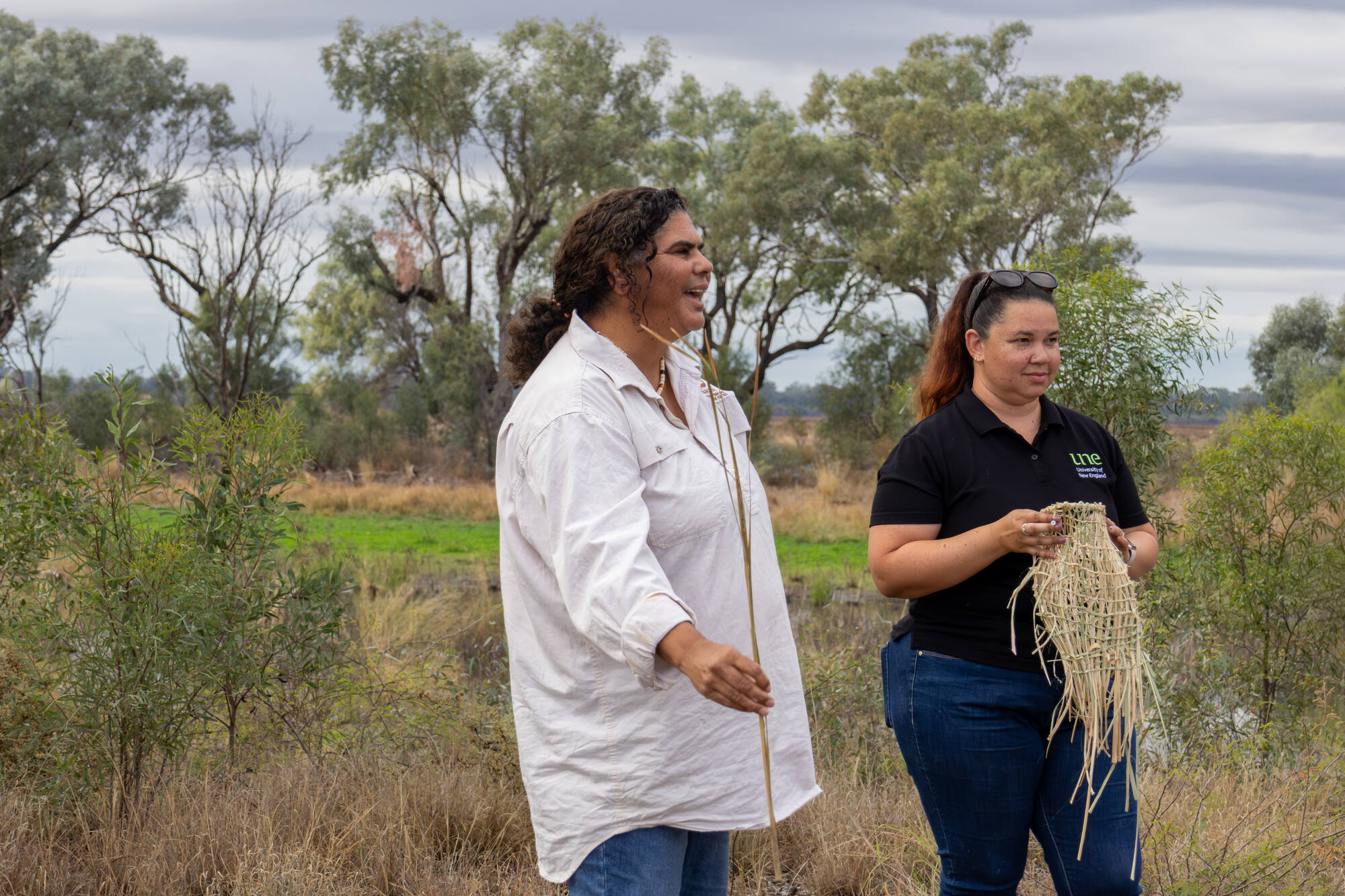
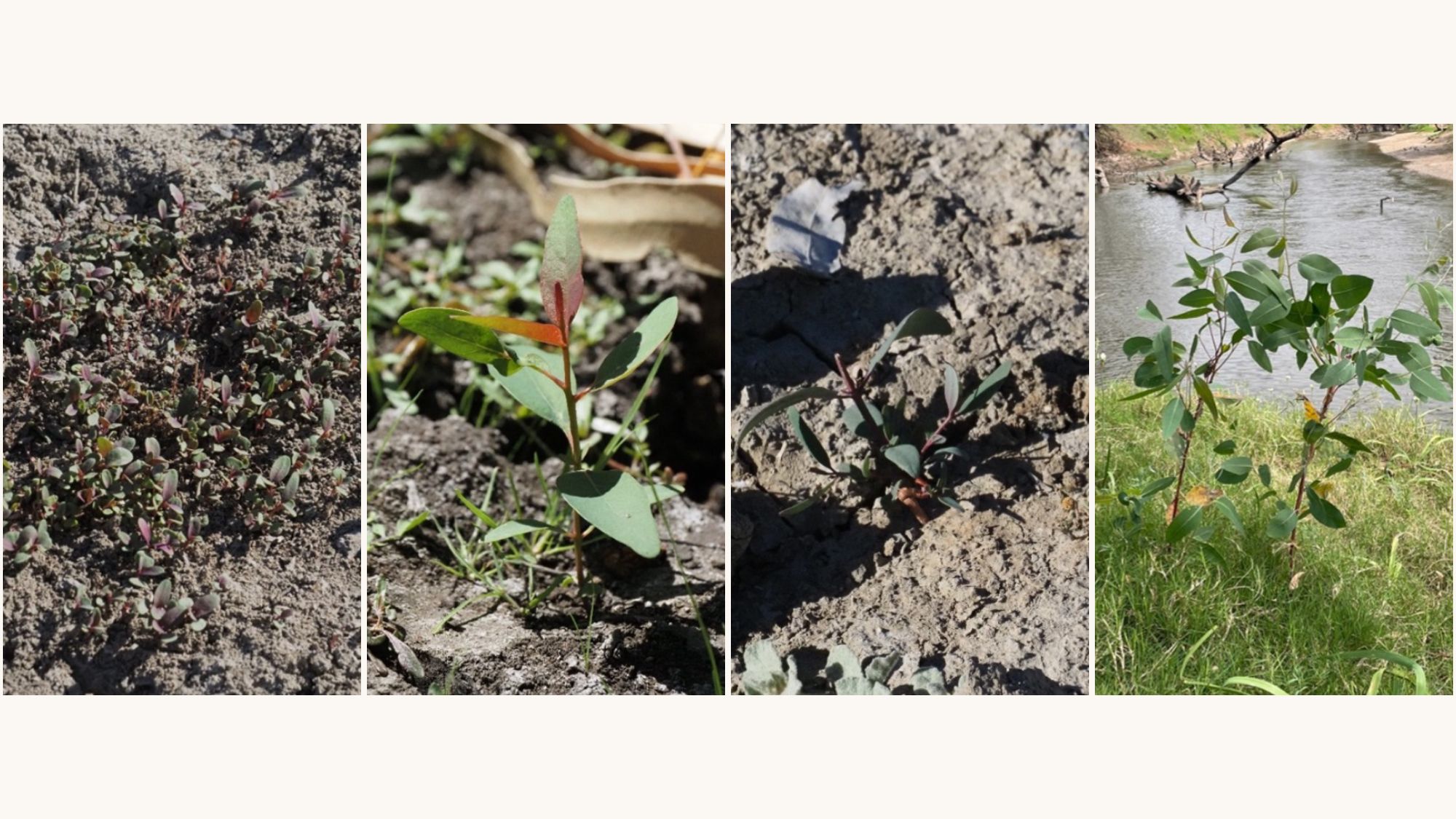
Kerrie and Brooke introduced students to local cultural knowledge and explained why healthy rivers and wetlands matter so much. The session focused on two important native plants: guli (native millet/river grass; Panicum decompositum) and burrarra (narrow-leaved cumbungi/bullrush; Typha domingensis).
The day began with the group walking together to the gathering circle, talking along the way about local plants and animals and why they are culturally important within the wetland environment. Students discovered that guli was once an important staple food for Aboriginal people. Guli can be ground into flour and used to make foods like bread, cakes, and pancakes. This is a cultural practice that is still remembered and being revitalised today. They also learned that it grows well on the black soil floodplains around Moree, especially when these areas receive water. Before the seeds are fully formed, the plant produces flowering branches that later become an important food source for birds and other animals.
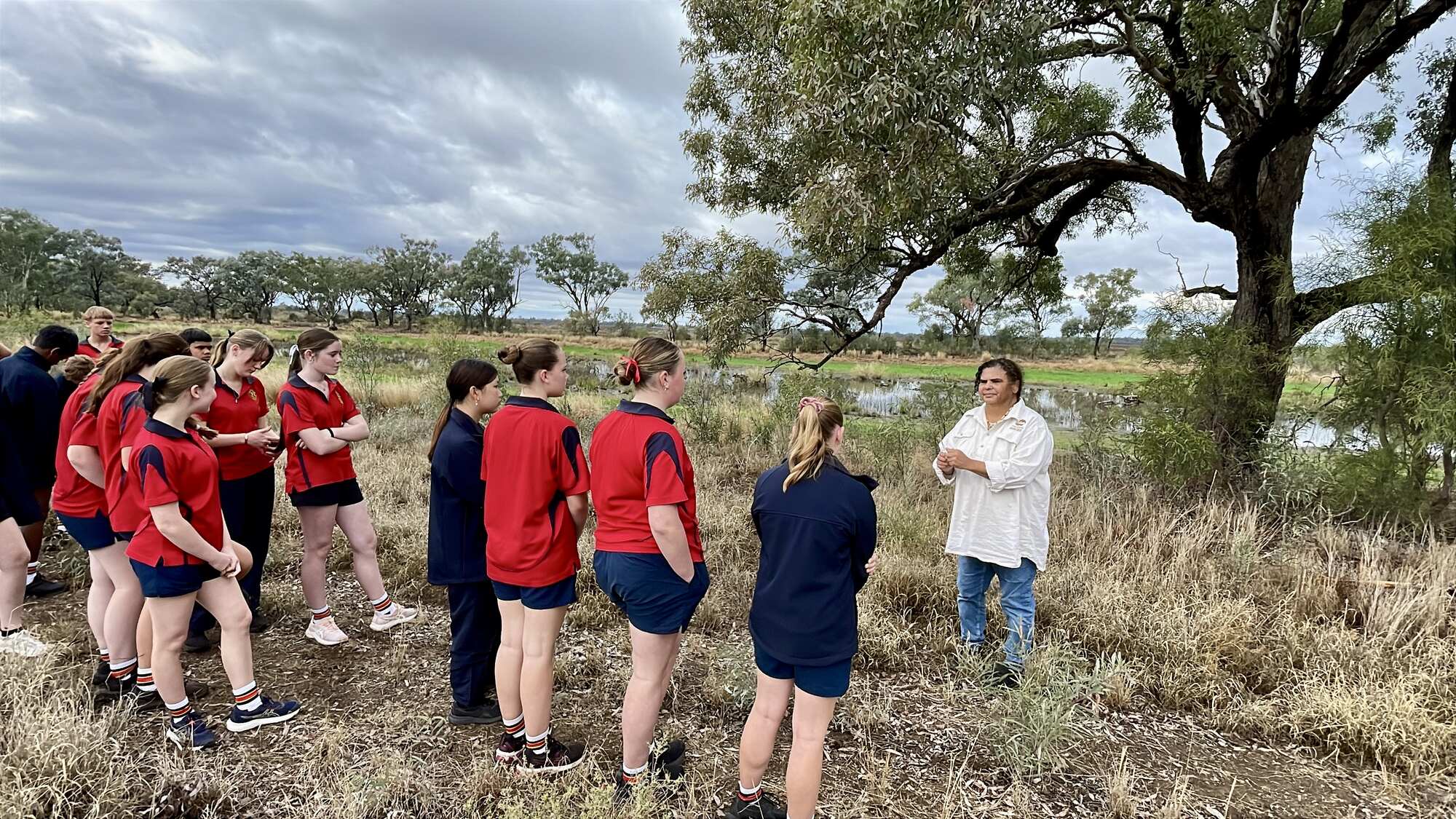
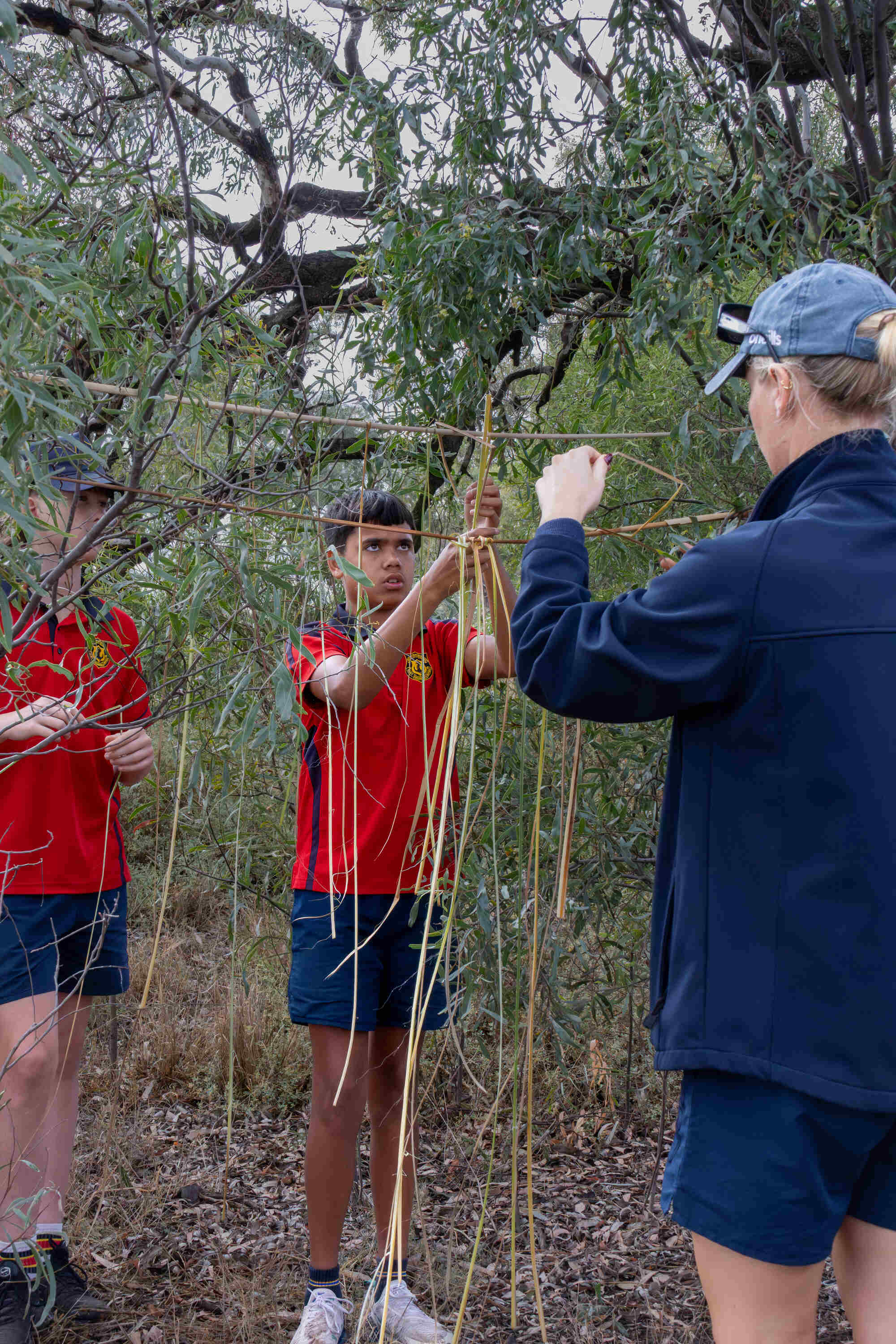
Students also explored burrarra and the many ways it can be used. Kerrie explained that it provides food, fibre, and material for weaving. The roots can be cooked and eaten, and the white base of the leaves can be eaten a bit like spring onion. The leaves can also be split into fibres and woven into useful items such as fishing nets. As well as being useful to people, burrarra also provides habitat for wetland animals, including glossy ibis (Plegadis falcinellus) and straw-necked ibis (Threskiornis spinicollis). These birds trample and fold the leaves to make nests over the water in the wetlands where water for the environment is delivered to support the wetlands in the broader Guwayda / Gwydir floodplain.
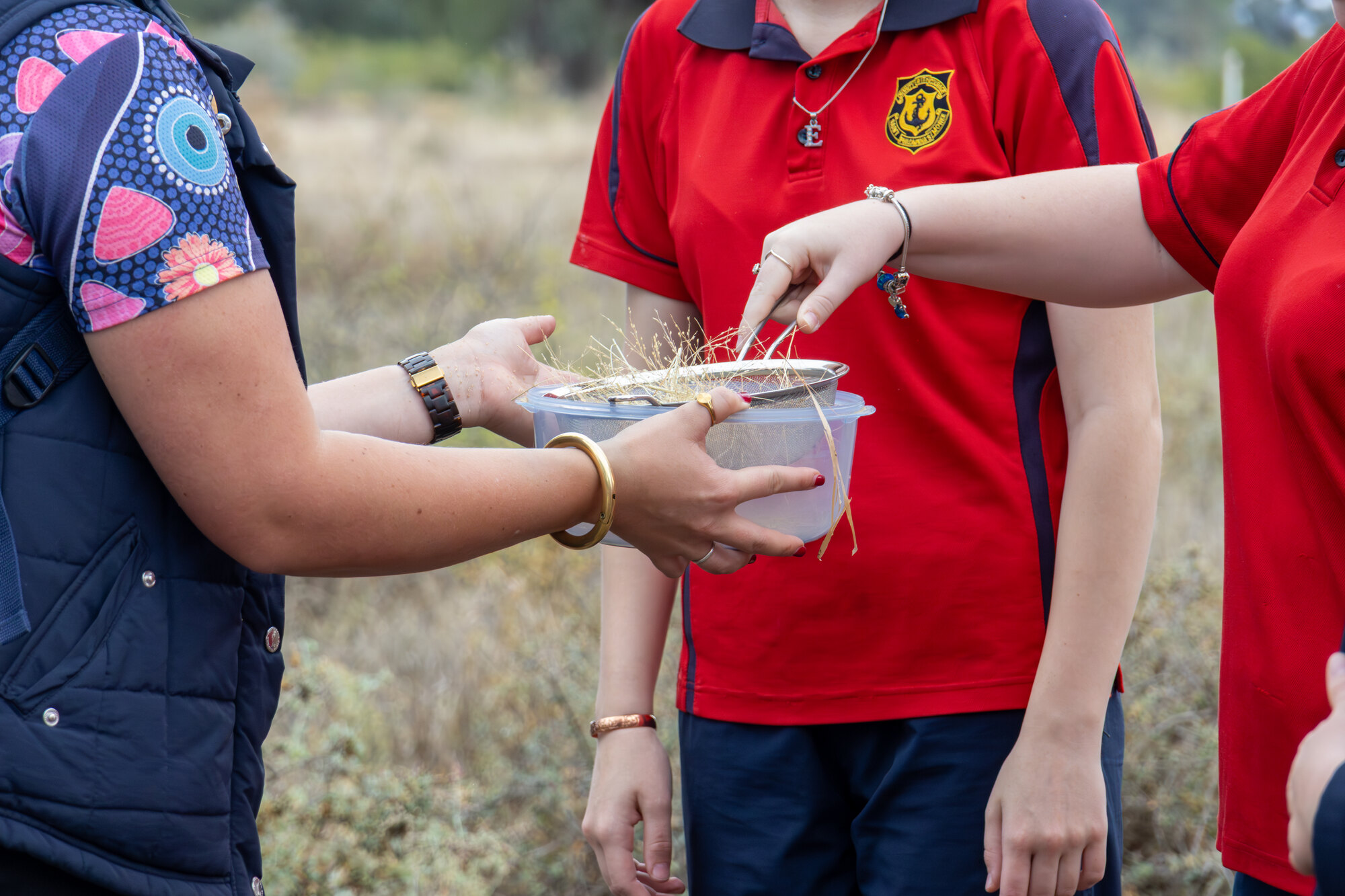
Hands-on activities brought the cultural learning to life. Students sifted guli seeds from the husks, practised weaving techniques, and tasted guli pancakes. The pancakes were a clear favourite, with students and staff enjoying their mild, sweet, and nutty flavour.
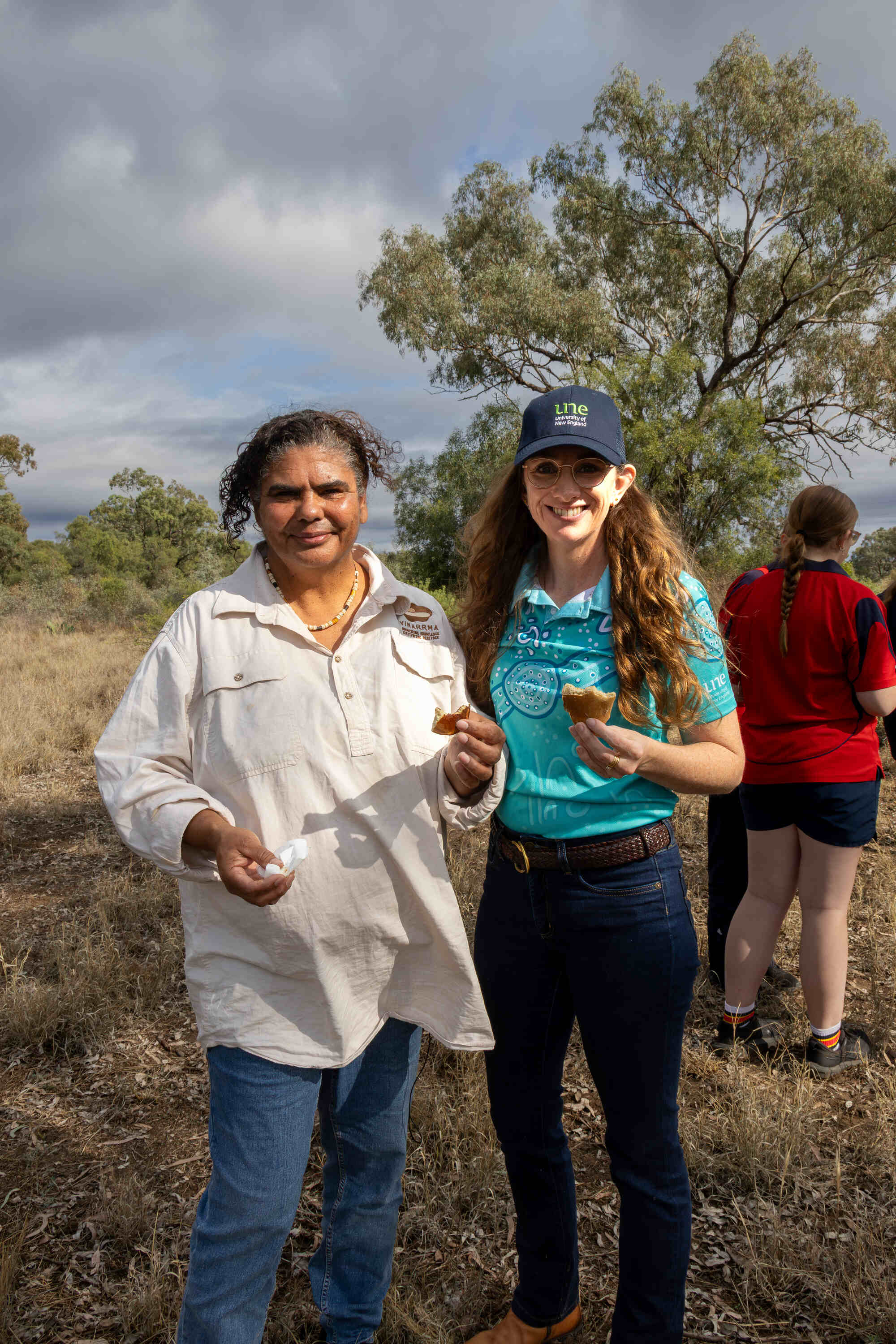
Above all, the on-Country event gave students a chance to connect with local Aboriginal cultural knowledge in a real and memorable way. It showed how culture, plants, water, and wetlands are all connected, and why caring for Country matters, not just for the environment, but for the stories, knowledge, and cultural practices that continue to be shared today.
.avif)