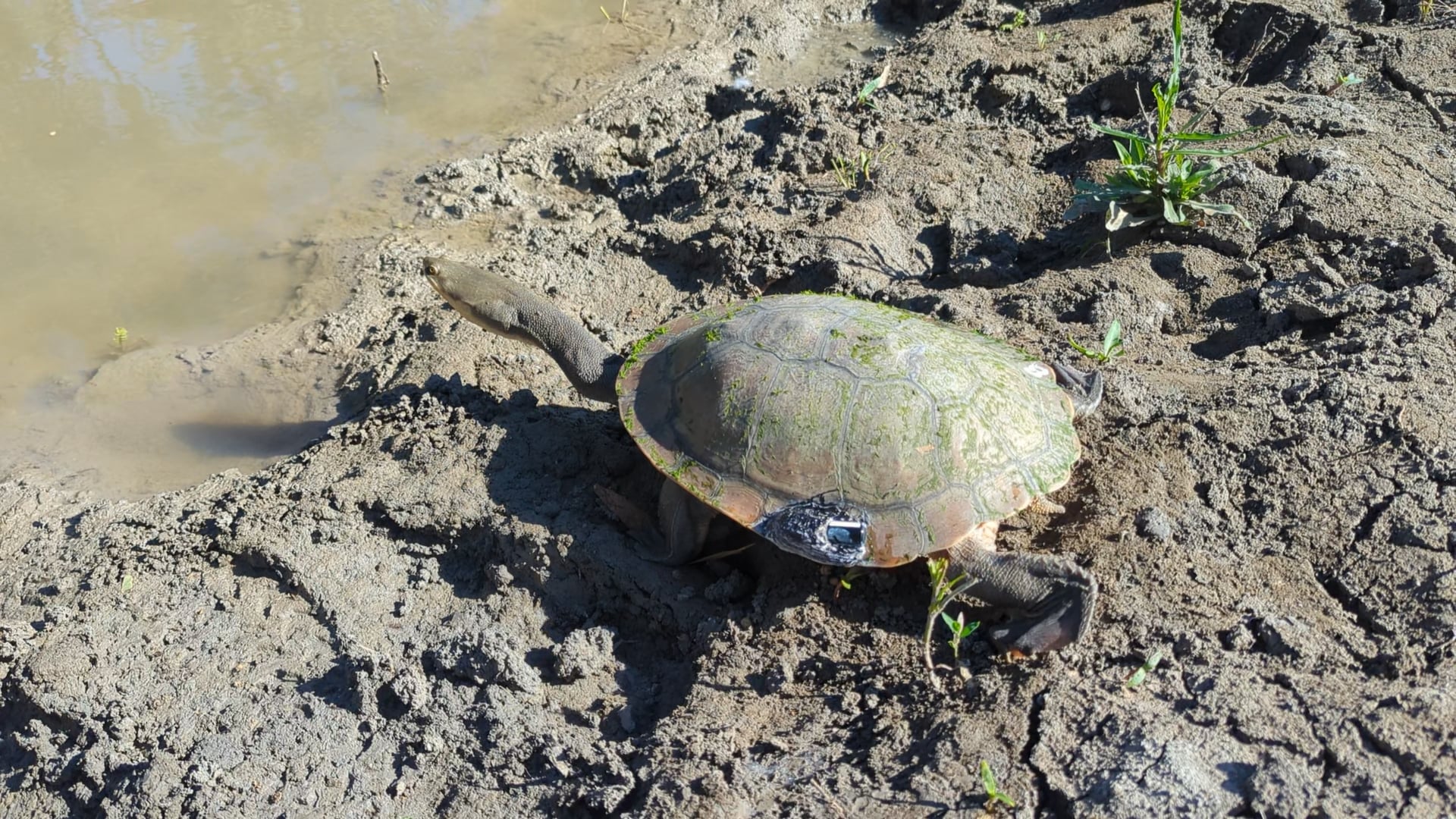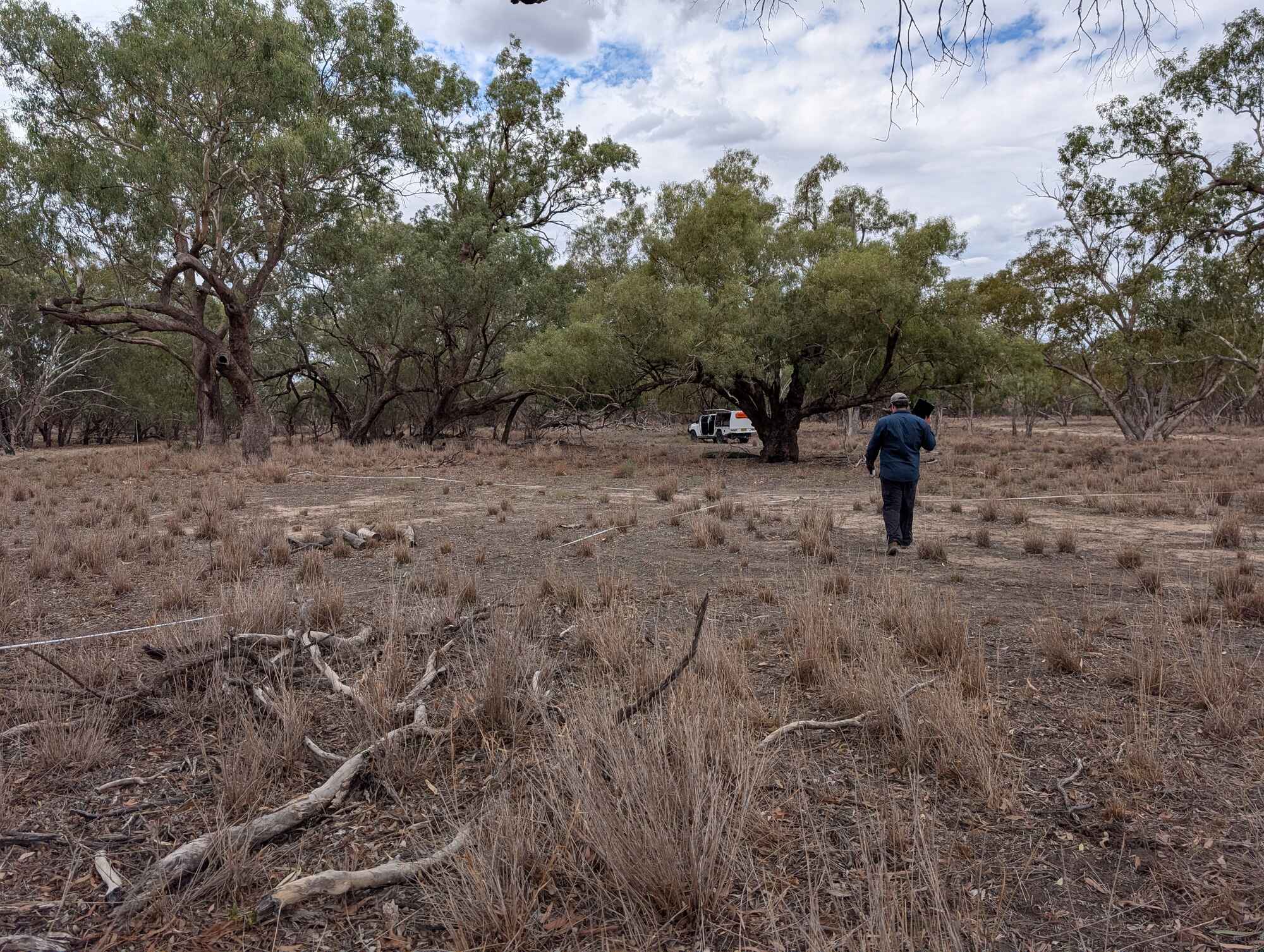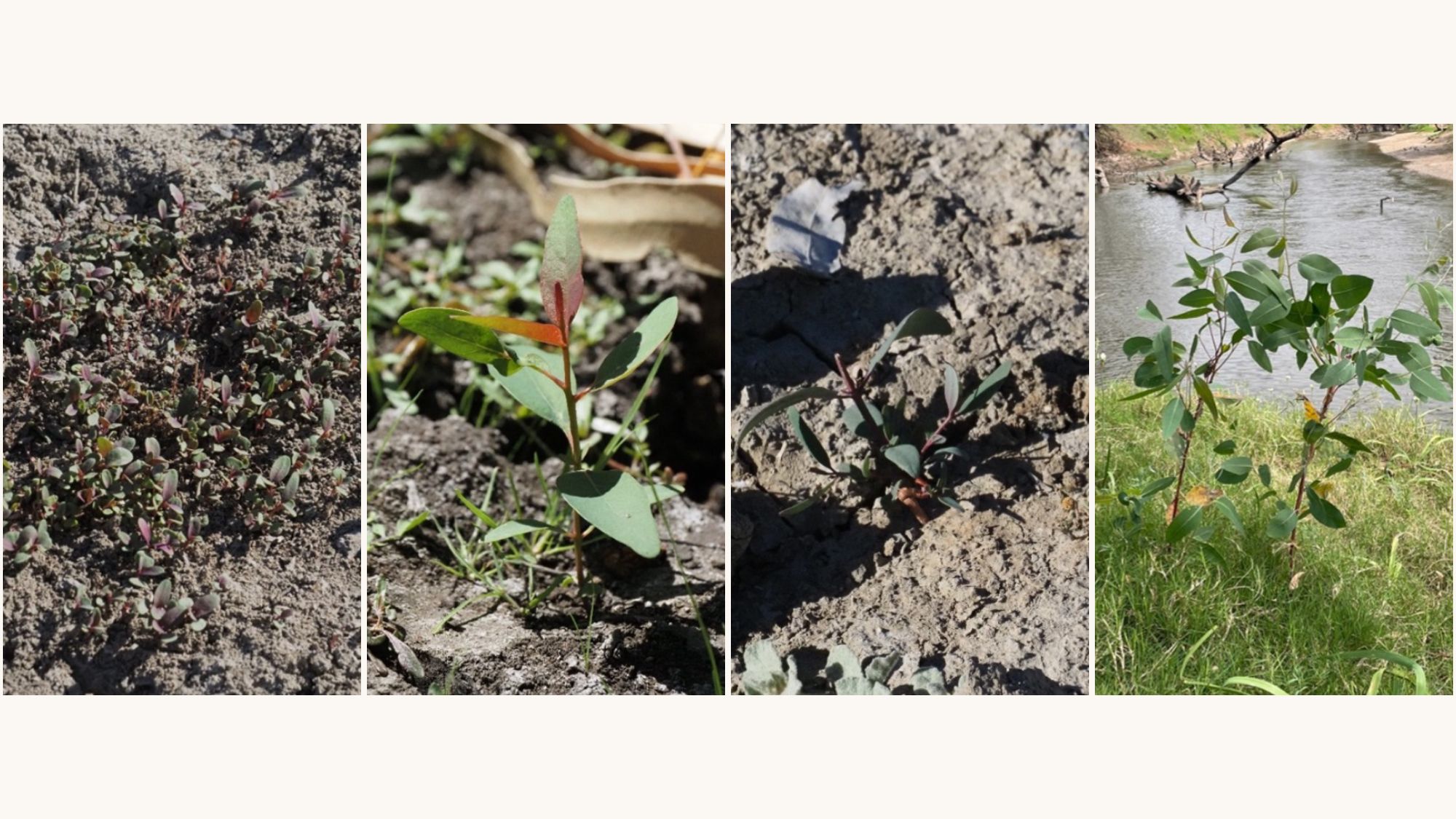
When water flows into a dry wetland, frogs start calling, and waterbirds fly in to feed and roost. In the past, the only way to track this was for scientists to visit in person and listen for themselves, hoping to catch the right sounds at the right time. Now, a Charles Sturt University (CSU) research team is teaching a computer to do the listening, and the results are changing how we study these wetland habitats and their inhabitants.
The project, led by CSU and CSIRO researchers, uses an AI tool called BirdNET to scan thousands of hours of audio recordings from wetlands along the Murrumbidgee River in New South Wales. The goal is to teach a computer to recognise specific frog and bird calls well enough to tell scientists how wildlife is responding to water for the environment.
Teaching a Computer to Recognise Calls
BirdNET was originally built to recognise birds from around the world. Calling frogs are a sign of a healthy environment, but frogs aren't birds and BirdNET couldn’t recognise them. So, the team built their own version, feeding it thousands of short clips of local frog calls collected from different places, seasons, and times of day. This taught BirdNET to recognise frog calls even with wind, insects, and other background noise.
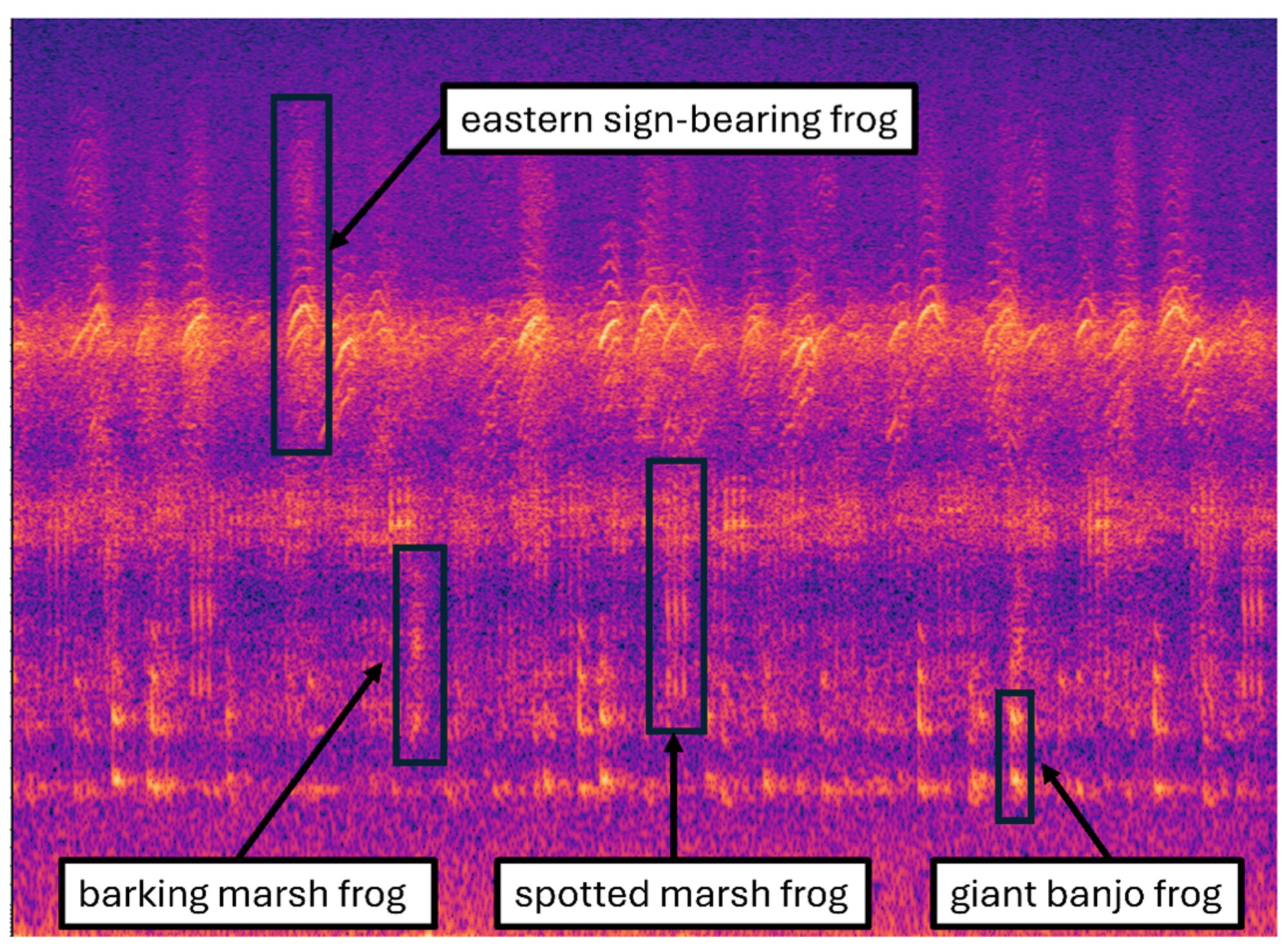
Getting this right took a few attempts. Early versions struggled to tell the difference between a frog and a bird, and it couldn’t hear some frogs at all. Testing how well it worked was also harder than expected, since there was no easy way to check the AI's answers against what was really happening at each site. To solve this, the team manually checked almost 3,000 recordings by ear, listening carefully to confirm which frogs were really calling. This gave them a reliable way to test and improve each new version of the model. The effort paid off. Overall accuracy has increased and the most recent model is correct about 95% of the time. False alarms (when the model imagines a frog call that wasn't actually there) have dropped sharply too, from around 15 a day down to about five.
For birds, the team found a different kind of problem. BirdNET recognises birds from around the world, and although it might recognise a bird calling, it often thought the bird was a similar species from Africa or South America. This created a very confusing bird list that was filled with species that we don’t see in Australia. Working with government ecologists, the team corrected the list and transformed it to recognise 219 local bird species instead.
What They Found at the Wetlands
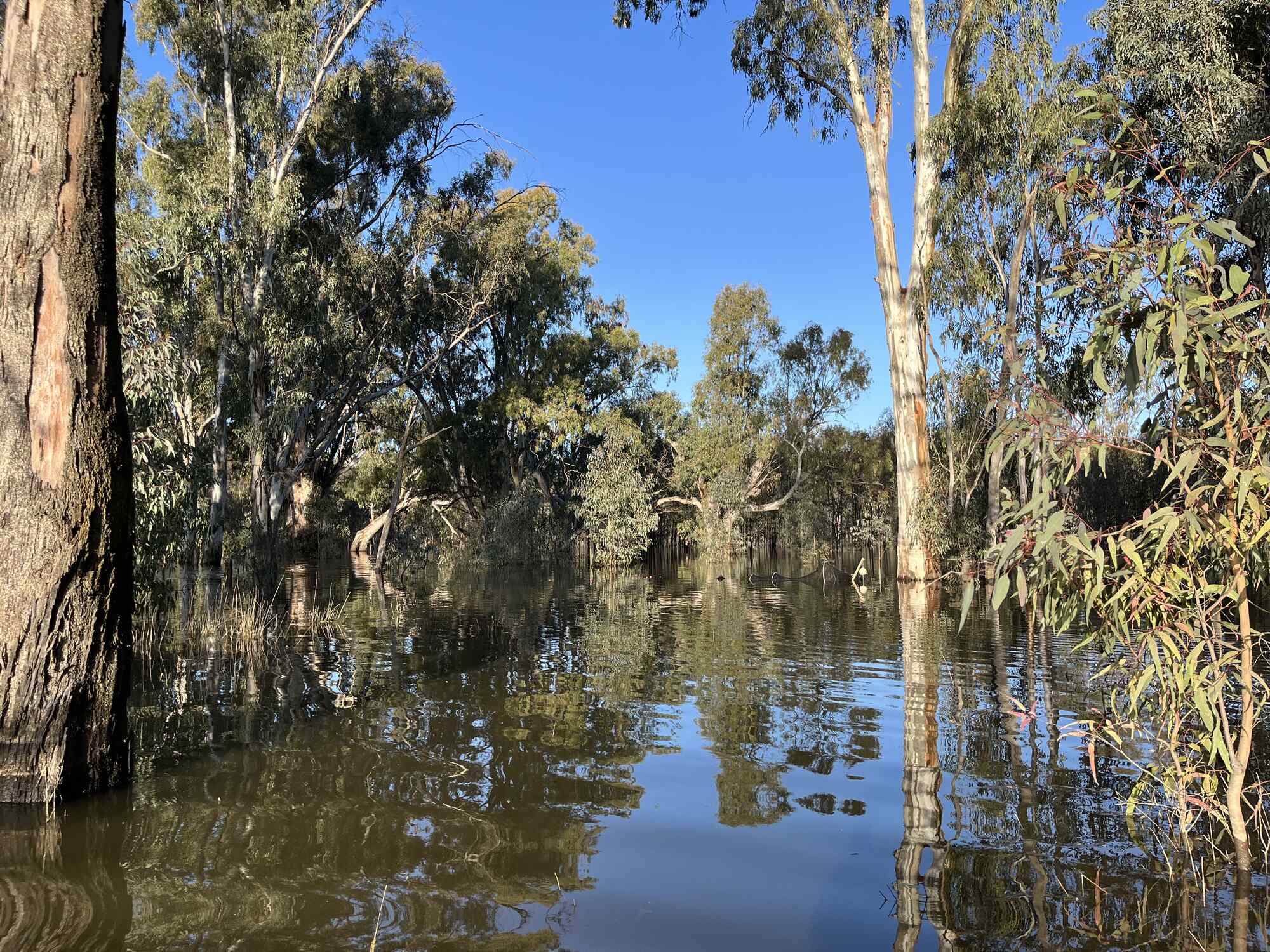
The team compared four sites in the mid-Murrumbidgee: Gooragool and Sunshower Lagoons, which remained dry, and Wilbriggie Lagoon and Yarradda Lagoon which were filled up with water for the environment. The difference between the dry and watered sites was easy to hear.
At Gooragool and Sunshower Lagoon, not much changed for months. Woodland birds called as usual, while frogs remained largely silent. But at Wilbriggie and Yarradda, the change was fast and clear. Wilbriggie Lagoon started to fill in February, and within a few weeks waterbirds appeared in the recordings. This site ended up with the most bird species of anywhere studied, 52 in total. Yarradda Lagoon filled more slowly, starting in December, and by mid-January waterbirds and frogs were clearly responding, with 49 bird species detected there overall.
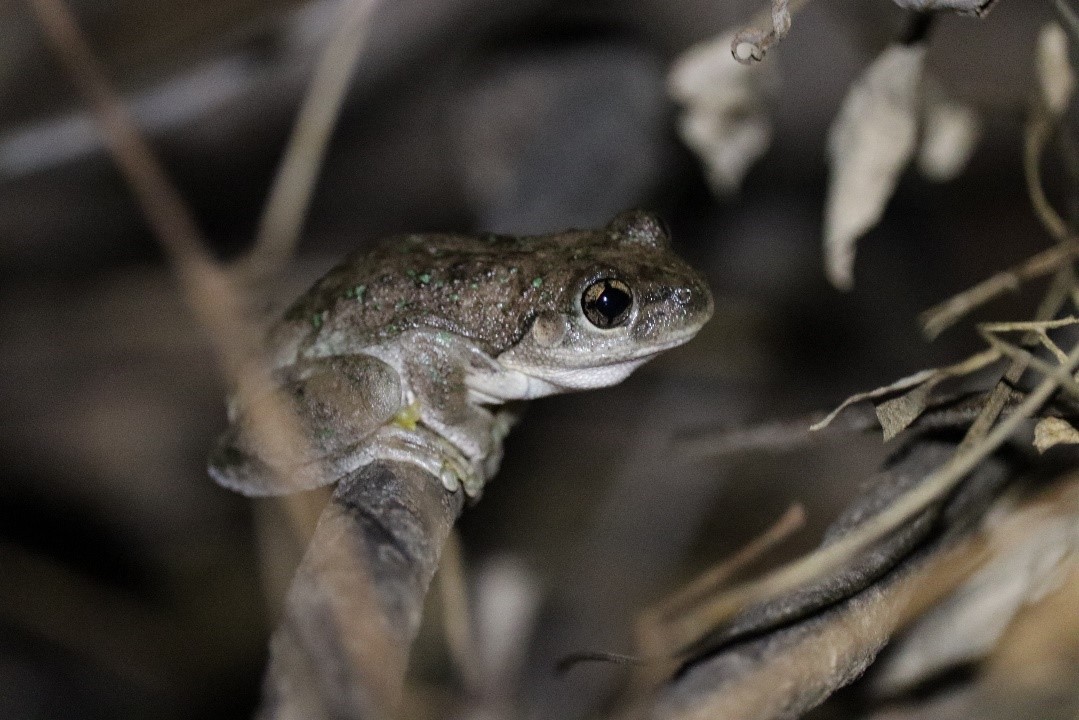
Frogs reacted even faster than birds. At Wilbriggie, calling surged as soon as the water arrived, with the barking marsh frog and spotted marsh frog quickly taking over the chorus. Peron's tree frog also responded quickly, calling loudly for about a month before going quiet, exactly as the scientists expected but could rarely measure clearly. At Yarradda, calling followed a similar pattern with steady spotted marsh frog calling from mid-January and a Peron's tree frog response that lasted for eight weeks. At the dry sites, Gooragool and Sunshower, frogs hardly called. This pattern shows that the arrival of water at the site triggered a breeding response which was detected via an increased amount of calling. Frogs only call during the breeding season and when there is enough water. They quieted once breeding had occurred and tadpoles began developing. For breeding to succeed, the water needs to remain long enough for tadpoles to complete metamorphosis and move to more permanent water before the temporary water dries out.
Why It Matters
Commonwealth environmental water is expensive and limited, so it matters whether it's actually helping. Checking this by sending people out into the field takes a lot of time and money. An AI system that can scan months or years of recordings and flag when wildlife responds offers a faster, cheaper way to keep track.
The tool isn't perfect yet. Some species are still hard to tell apart, and rarer or quieter callers can slip through. But each version has gotten measurably better, and the team now has a reliable way to continue testing and improving it. The scientists hope that AI listening becomes a standard part of how rivers and wetlands are managed for the best ecological outcome.